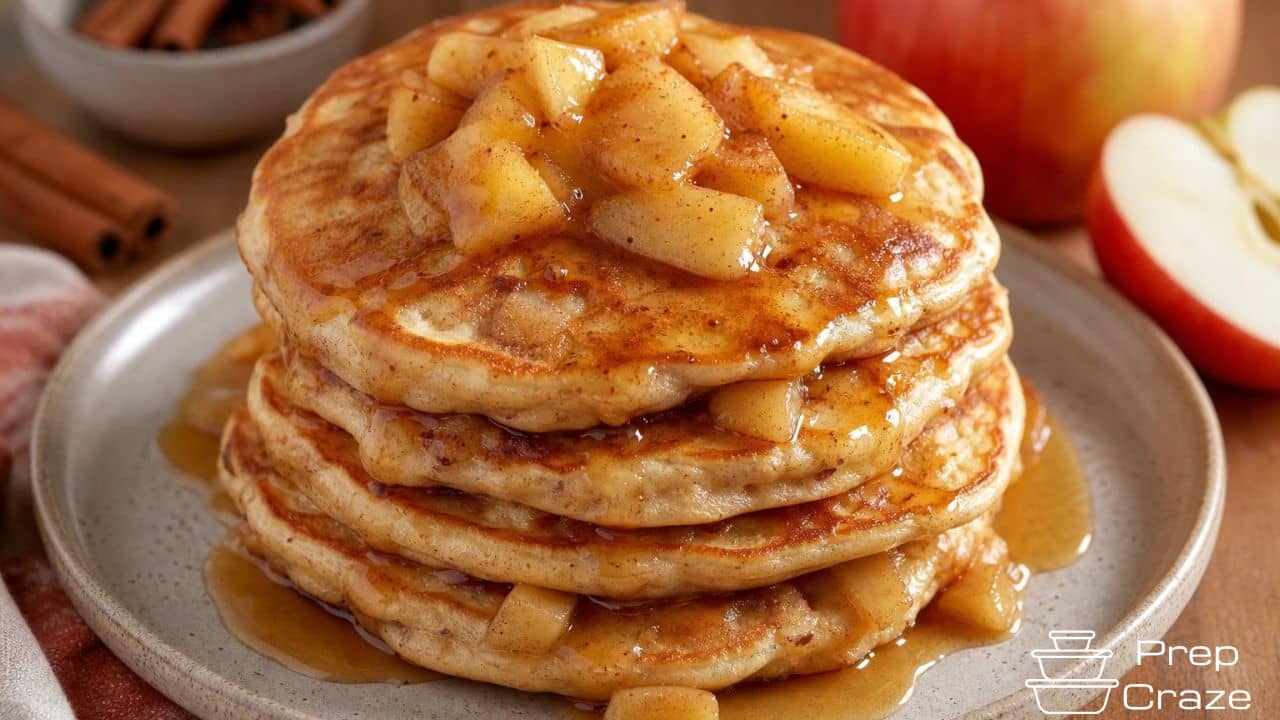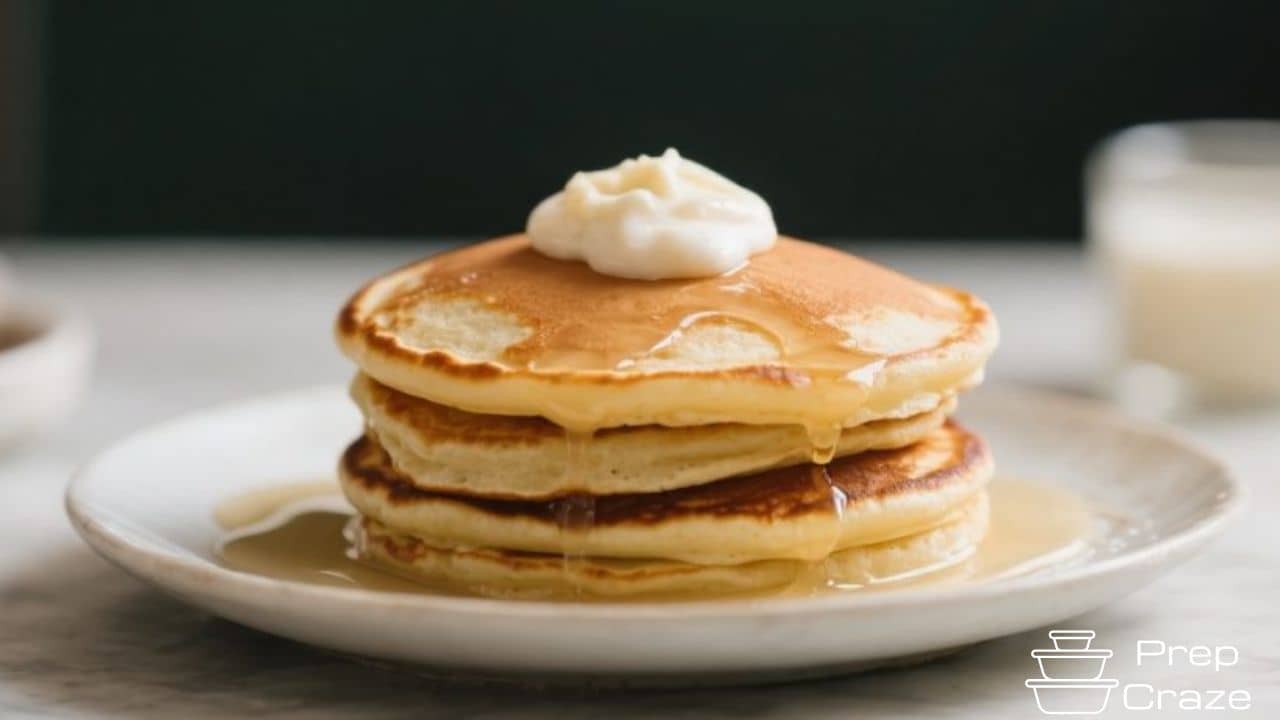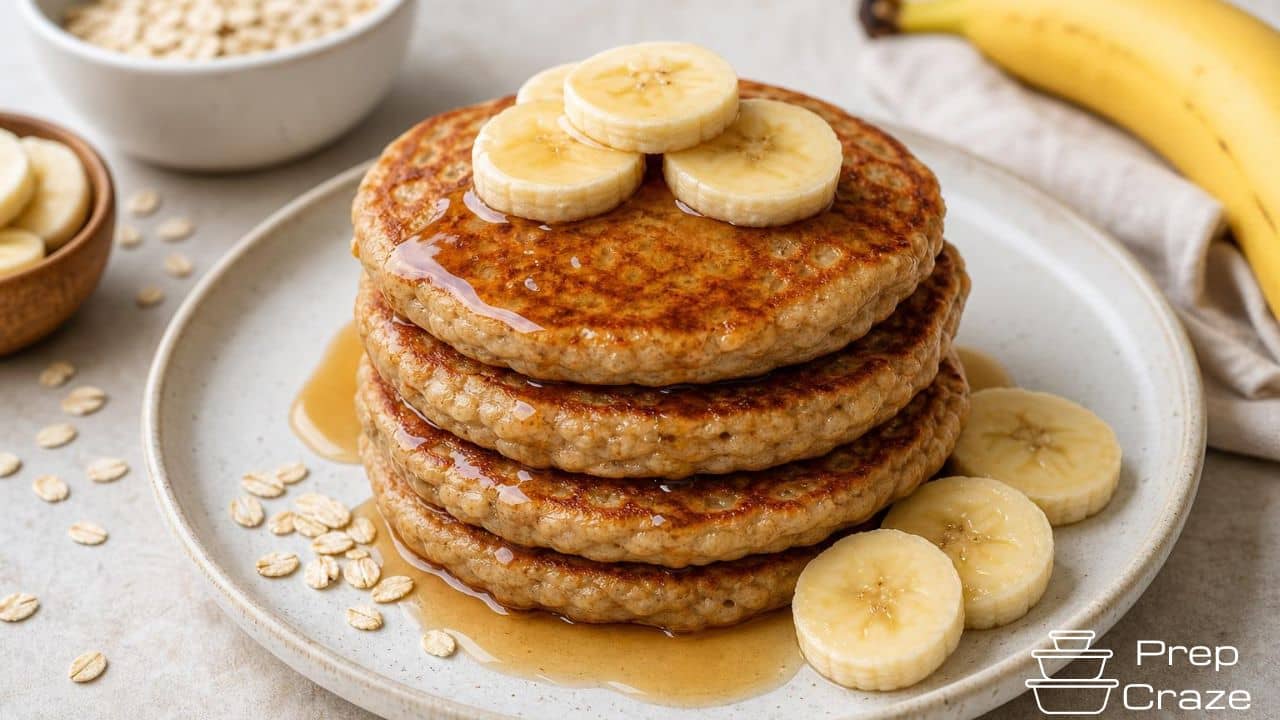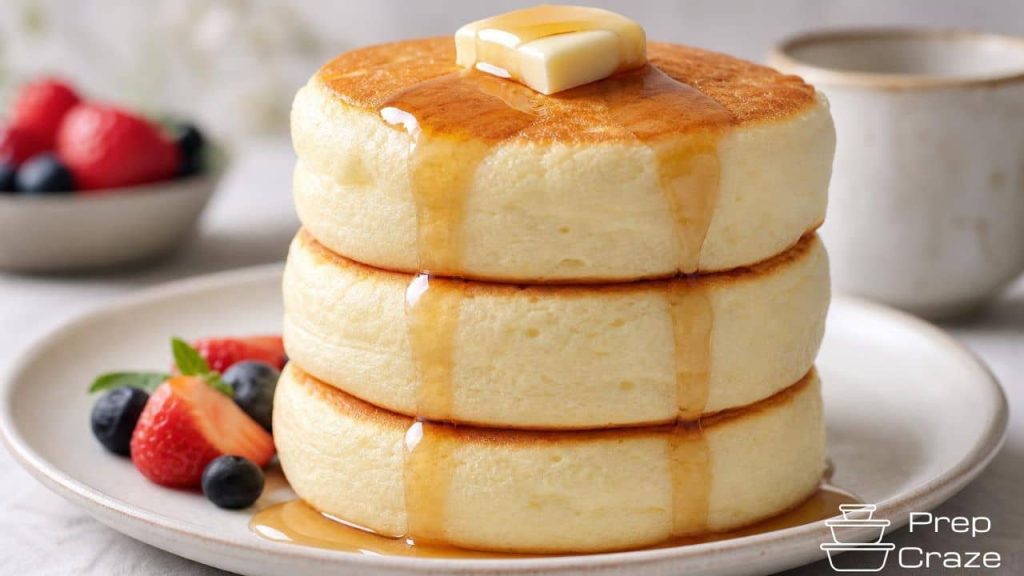
Super fluffy pancakes don’t happen by accident. They’re the result of a few simple tricks and the right balance of ingredients. If you’ve ever wanted pancakes that rise high, stay tender in the middle, and soak up syrup like a dream, this recipe is for you.
No special equipment or chef skills needed—just a bowl, a whisk, and a few pantry staples. In less than 30 minutes, you’ll have a stack that looks—and tastes—like weekend happiness.
What Makes This Recipe So Good

- Buttermilk for lift: The acid in buttermilk reacts with baking soda, creating air bubbles that make the pancakes tall and airy.
- Two leaveners: A mix of baking powder and baking soda gives both immediate puff and steady rise as they cook.
- Thick batter, minimal mixing: A slightly lumpy, thick batter keeps the texture soft, not tough.
- Rest time: A short rest lets the flour hydrate and the leaveners start working, which means extra height on the griddle.
- Balanced sweetness: Just enough sugar for flavor and browning, without turning them into cake.
Shopping List
- All-purpose flour (2 cups)
- Granulated sugar (2 tablespoons)
- Baking powder (2 teaspoons)
- Baking soda (1/2 teaspoon)
- Kosher salt (1/2 teaspoon)
- Buttermilk, well-shaken (1 3/4 cups; you can substitute—see FAQ)
- Large eggs (2)
- Unsalted butter, melted and slightly cooled (4 tablespoons), plus more for the pan
- Vanilla extract (1 teaspoon)
- Optional add-ins: chocolate chips, blueberries, lemon zest, cinnamon
- For serving: maple syrup, fresh fruit, whipped cream, or yogurt
How to Make It

- Preheat your pan: Set a nonstick skillet or griddle over medium heat. Give it time to warm evenly.
You want a steady, moderate heat—no smoking.
- Mix dry ingredients: In a large bowl, whisk flour, sugar, baking powder, baking soda, and salt until combined. This spreads the leaveners evenly.
- Whisk wet ingredients: In a separate bowl, whisk buttermilk, eggs, melted butter, and vanilla. Make sure the butter isn’t hot, or it can scramble the eggs.
- Combine gently: Pour the wet ingredients into the dry.
Stir with a spatula just until no big streaks of flour remain. The batter should be thick and a little lumpy. Do not overmix.
- Let it rest: Set the batter aside for 5–8 minutes. You’ll see it puff slightly.
This quick rest is key for extra fluff.
- Grease the pan: Lightly butter the hot surface, then wipe away excess with a paper towel. Too much fat can cause uneven browning.
- Portion the batter: Scoop about 1/4 cup per pancake. If the batter is very thick, gently nudge it into a circle without pressing down.
- Watch for bubbles: Cook until the edges look set and bubbles form and pop across the surface, about 2–3 minutes. Flip once, gently.
- Finish cooking: Cook another 1–2 minutes, until the underside is golden and the center feels springy.
Adjust heat as needed to prevent scorching.
- Serve warm: Stack on a plate, dot with butter, and drizzle with maple syrup. Keep batches warm in a low oven (200°F/95°C) while you finish cooking.
Keeping It Fresh
- Short-term: Store cooled pancakes in an airtight container in the fridge for up to 3 days. Reheat in a toaster or dry skillet to bring back the edges.
- Freeze for later: Arrange cooled pancakes in a single layer on a sheet pan, freeze until solid, then transfer to a freezer bag.
They keep well for 2 months. If you want to meal prep pancakes for the week, this method is a great time-saver.
- Best way to reheat: Toast straight from frozen or reheat in a 300°F (150°C) oven for 8–10 minutes. Avoid the microwave if you can—it softens the texture.
- Leftover batter: Batter is best used right away. If needed, refrigerate up to 24 hours and stir in a splash of buttermilk to loosen before cooking.

Health Benefits
- Protein from eggs and dairy: Eggs and buttermilk add protein that keeps you satisfied longer than a sugary breakfast alone.
- Calcium boost: Buttermilk and yogurt (if you add it on top) provide calcium for bones and teeth.
- Customizable sweetness: You control the sugar.
Keep it modest in the batter and focus on fresh fruit for natural sweetness.
- Whole-grain option: Swap up to half the all-purpose flour with white whole wheat flour for more fiber without losing too much fluff.
Common Mistakes to Avoid
- Overmixing the batter: This develops gluten and makes pancakes tough. Stop when the flour is just combined and small lumps remain.
- Too-hot pan: High heat burns the outside before the center cooks. Aim for medium heat and steady golden browning.
- Pressing with the spatula: Don’t flatten after flipping.
That squeezes out the air and kills the rise.
- Skipping the rest: Those few minutes of resting give you thicker, taller pancakes. Don’t rush it.
- Old leaveners: Baking powder and soda lose strength over time. If they’re more than 6–12 months opened, replace them.
Variations You Can Try
- Blueberry Lemon: Fold 1 cup fresh blueberries and 1 teaspoon lemon zest into the batter.
Cook a touch longer to burst the berries.
- Chocolate Chip: Stir in 3/4 cup mini chocolate chips. Finish with a light dusting of cocoa powder for extra depth.
- Cinnamon Swirl: Mix 2 tablespoons brown sugar with 1 teaspoon cinnamon. Spoon little swirls onto each pancake just before flipping.
- Banana Nut: Gently fold in 1 mashed ripe banana and 1/2 cup chopped toasted pecans.
Reduce sugar slightly if your banana is very sweet.
- High-Protein: Swap 1/2 cup flour for vanilla protein powder and add a splash more buttermilk to keep the batter pourable.
- Gluten-Free: Use a 1:1 gluten-free baking blend with xanthan gum. Let the batter rest a bit longer for best texture.
FAQ
Can I Make These Without Buttermilk?
Yes. For each cup of buttermilk, use 1 cup milk plus 1 tablespoon lemon juice or white vinegar.
Stir and let it sit for 5 minutes before using. The texture will be close, though real buttermilk gives the best fluff.
Why Are My Pancakes Not Rising?
The usual culprits are old baking powder, overmixed batter, or a pan that’s too hot. Check your leaveners’ freshness, stir less, and lower the heat so the centers have time to lift.
How Do I Know When to Flip?
Watch for bubbles forming and popping across the surface and for the edges to look set and slightly matte.
Slide the spatula under gently; if the pancake resists, give it 20–30 more seconds.
Can I Make the Batter Ahead of Time?
You can mix it up to 24 hours in advance, but the rise will be a bit less. Store covered in the fridge and stir in a splash of buttermilk or milk before cooking to loosen it.
What’s the Best Pan for Pancakes?
A nonstick skillet or flat griddle works best. Cast iron also does a great job once it’s well-heated and lightly greased.
The key is even heat and a smooth surface.
How Do I Keep the First Batch Warm?
Place cooked pancakes on a wire rack set over a sheet pan in a 200°F (95°C) oven. The rack prevents soggy bottoms and keeps the edges tender.
Can I Reduce the Sugar?
Absolutely. You can cut it to 1 tablespoon or omit it.
Sugar helps with browning and a hint of sweetness, but toppings like fruit and syrup easily make up for less in the batter.
How Thick Should the Batter Be?
It should be thick but scoopable, flowing slowly off a spoon. If it looks like cake batter, you’re on track. Too thin?
Add a tablespoon of flour. Too thick? Add a tablespoon of buttermilk.
In Conclusion
Super fluffy pancakes come down to a few simple moves: the right leaveners, a gentle hand, and patient heat.
With this recipe, you’ll get tall, tender pancakes that taste like a cozy weekend morning any day of the week. Keep the batter lumpy, don’t rush the flip, and serve them hot with your favorite toppings. New to cooking ahead? Read up on the benefits of meal prepping to see how making a big batch once can save you time all week. Once you master the basics, try a variation or two and make the stack your own.

Super Fluffy Pancakes – Light, Tall, and Easy to Love
Ingredients
- All-purpose flour (2 cups)
- Granulated sugar (2 tablespoons)
- Baking powder (2 teaspoons)
- Baking soda (1/2 teaspoon)
- Kosher salt (1/2 teaspoon)
- Buttermilk, well-shaken (1 3/4 cups; you can substitute—see FAQ)
- Large eggs (2)
- Unsalted butter, melted and slightly cooled (4 tablespoons), plus more for the pan
- Vanilla extract (1 teaspoon)
- Optional add-ins: chocolate chips, blueberries, lemon zest, cinnamon
- For serving: maple syrup, fresh fruit, whipped cream, or yogurt
Instructions
-
Preheat your pan: Set a nonstick skillet or griddle over medium heat. Give it time to warm evenly.
You want a steady, moderate heat—no smoking.
-
Mix dry ingredients: In a large bowl, whisk flour, sugar, baking powder, baking soda, and salt until combined. This spreads the leaveners evenly.
-
Whisk wet ingredients: In a separate bowl, whisk buttermilk, eggs, melted butter, and vanilla. Make sure the butter isn’t hot, or it can scramble the eggs.
-
Combine gently: Pour the wet ingredients into the dry.
Stir with a spatula just until no big streaks of flour remain. The batter should be thick and a little lumpy. Do not overmix.
-
Let it rest: Set the batter aside for 5–8 minutes. You’ll see it puff slightly.
This quick rest is key for extra fluff.
-
Grease the pan: Lightly butter the hot surface, then wipe away excess with a paper towel. Too much fat can cause uneven browning.
-
Portion the batter: Scoop about 1/4 cup per pancake. If the batter is very thick, gently nudge it into a circle without pressing down.
-
Watch for bubbles: Cook until the edges look set and bubbles form and pop across the surface, about 2–3 minutes. Flip once, gently.
-
Finish cooking: Cook another 1–2 minutes, until the underside is golden and the center feels springy.
Adjust heat as needed to prevent scorching.
-
Serve warm: Stack on a plate, dot with butter, and drizzle with maple syrup. Keep batches warm in a low oven (200°F/95°C) while you finish cooking.