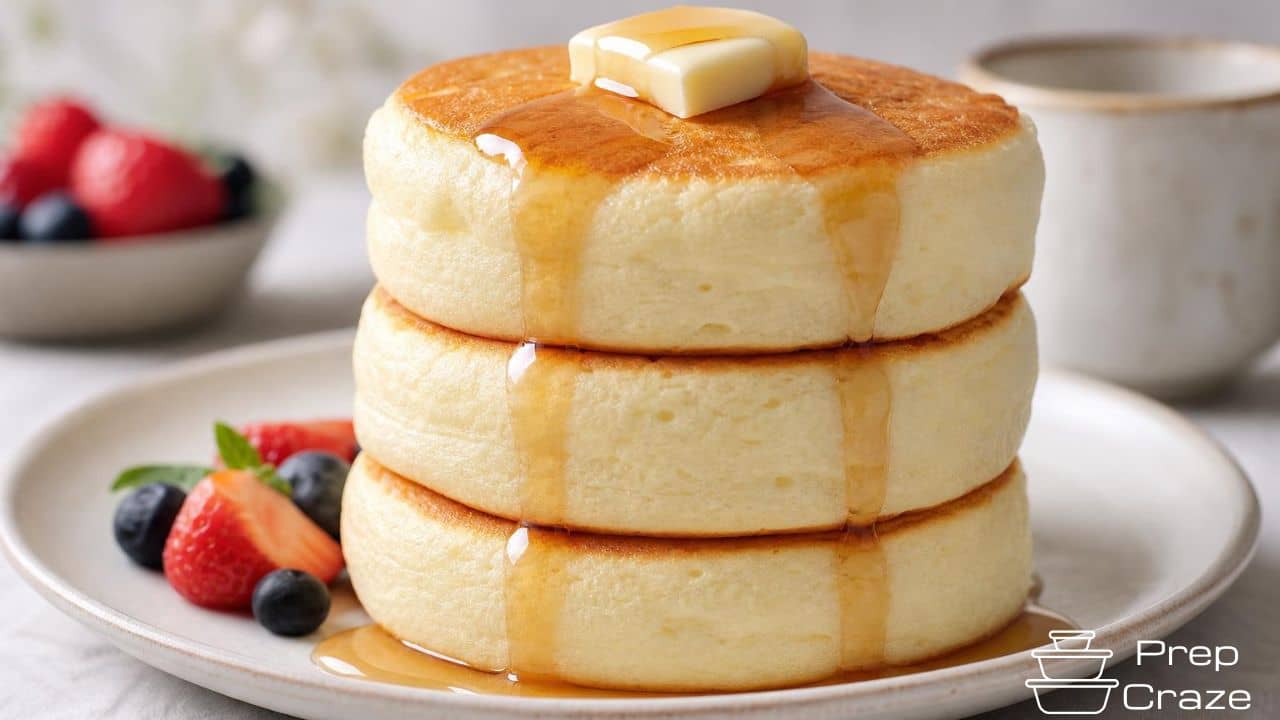
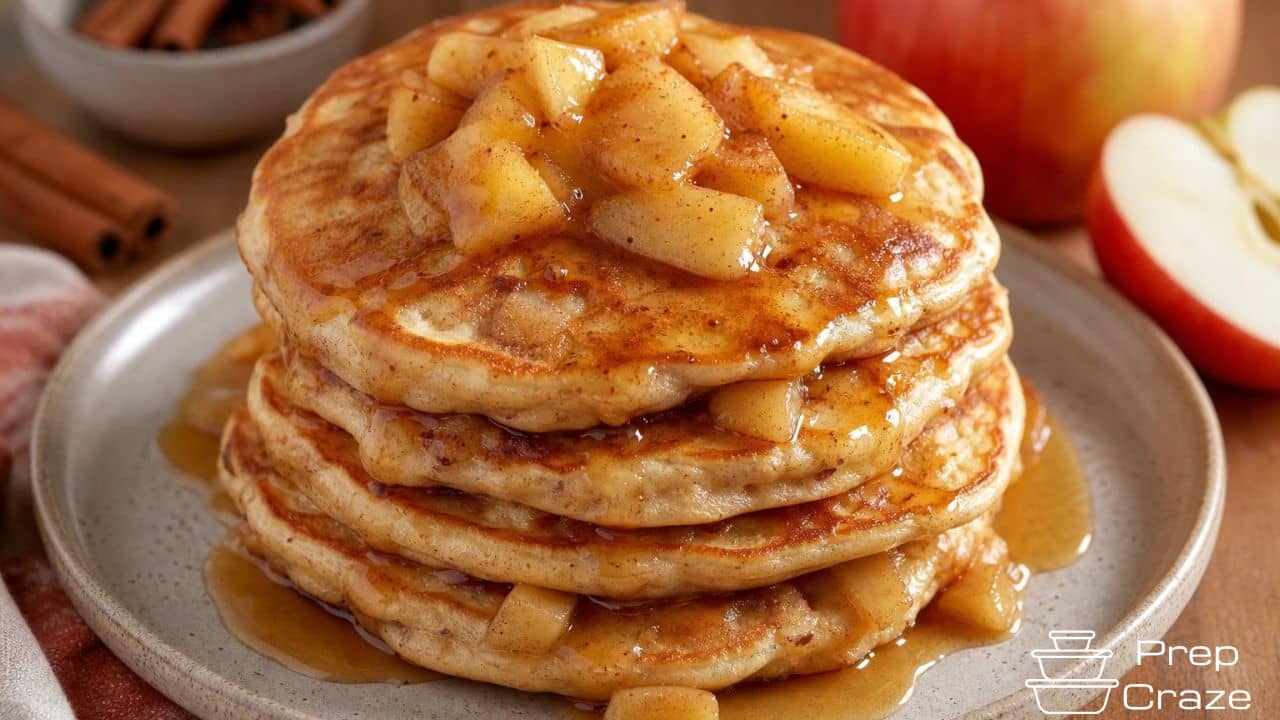
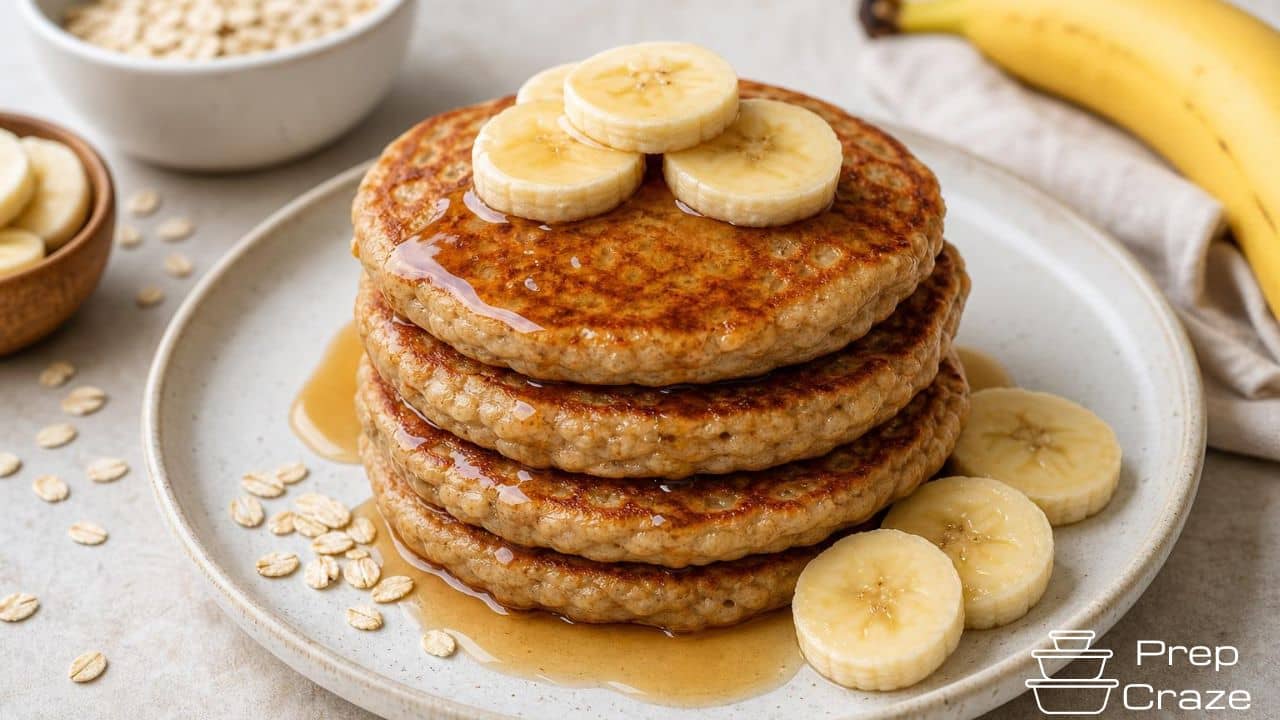
If you’ve missed classic buttermilk pancakes because you’re skipping dairy, this recipe will hit the spot. These pancakes are fluffy, lightly tangy, and golden on the edges—everything you want on a slow morning. The secret is a quick homemade “buttermilk” made from plant milk and an acid.
It reacts with baking soda to give you that lift and tender crumb. No special ingredients, no complicated steps—just simple, cozy pancakes you’ll want to make every weekend.
Why This Recipe Works

This recipe captures the classic buttermilk pancake taste without the dairy, thanks to a smart swap: plant milk + acid (usually lemon juice or apple cider vinegar). This combo creates a similar tang and helps the batter rise.
Using a mix of baking powder and baking soda gives reliable lift and a soft, airy texture.
A touch of sugar adds gentle sweetness and browning, while a little oil keeps the pancakes moist. Resting the batter helps hydrate the flour and boosts fluffiness. And because everything is pantry-friendly, you can whip these up any time.
What You’ll Need
- 1 3/4 cups (220 g) all-purpose flour – for structure and tenderness
- 2 tablespoons sugar – adds light sweetness and helps browning
- 2 teaspoons baking powder – primary leavening
- 1/2 teaspoon baking soda – reacts with the “buttermilk” for extra lift
- 1/2 teaspoon fine sea salt – balances flavor
- 1 3/4 cups (415 ml) unsweetened plant milk – almond, soy, oat, or coconut beverage
- 1 tablespoon lemon juice or apple cider vinegar – creates the dairy-free “buttermilk”
- 1 large egg (or 1 flax egg for vegan) – helps bind; see FAQ for vegan tips
- 3 tablespoons neutral oil – avocado, canola, or melted coconut oil
- 1 teaspoon vanilla extract – optional, for aroma
- Oil or vegan butter for the pan – for even browning
Instructions

- Make the dairy-free “buttermilk.” In a measuring cup, combine the plant milk and lemon juice (or vinegar).
Stir and let it sit for 5 minutes. It will thicken slightly and look a bit curdled—that’s perfect.
- Mix dry ingredients. In a large bowl, whisk together the flour, sugar, baking powder, baking soda, and salt until evenly combined.
- Add wet ingredients. Whisk the egg, oil, and vanilla into the “buttermilk.” Pour this mixture into the dry ingredients.
- Stir gently. Use a spatula to fold the batter just until no big streaks of flour remain. A few small lumps are fine. Do not overmix—that can make pancakes tough.
- Rest the batter. Let the bowl sit for 5–10 minutes while you heat the pan.
Resting improves texture and rise.
- Preheat your griddle or pan. Heat a nonstick skillet or griddle over medium heat. Lightly grease with oil or vegan butter. The surface is ready when a drop of water skitters across.
- Cook the pancakes. Pour 1/4 cup of batter per pancake.
Cook until bubbles form on top and the edges look set, 2–3 minutes. Flip and cook 1–2 more minutes, until golden and cooked through.
- Adjust heat as needed. If pancakes brown too fast, lower the heat slightly. Wipe and regrease the pan between batches for even color.
- Serve warm. Top with pure maple syrup, fresh berries, sliced bananas, or a dollop of coconut yogurt.
How to Store
- Refrigerate: Cool pancakes completely, then store in an airtight container for up to 4 days.
- Freeze: Layer pancakes between pieces of parchment and freeze in a zip-top bag for up to 2 months.
Press out excess air.
- Reheat: Toast from frozen, or warm in a 300°F (150°C) oven for 8–10 minutes. A microwave works in a pinch, but the texture is best from a toaster or oven.
- Make-ahead batter: Mix the dry ingredients ahead and store in a jar. Add wet ingredients right before cooking for best rise.

Health Benefits
Going dairy-free can help if you’re lactose intolerant or sensitive to milk proteins.
These pancakes use heart-healthy oils instead of butter, which can reduce saturated fat. Choosing soy or pea milk adds a bit more protein per serving.
You can boost nutrition further with smart add-ins and flours. Whole wheat pastry flour or oat flour adds fiber, while ground flax or chia brings omega-3s. Topping with fruit instead of extra syrup adds vitamins and natural sweetness.
Common Mistakes to Avoid
- Overmixing the batter: A few lumps are fine.
Overmixing develops gluten and makes pancakes dense and rubbery.
- Skipping the acid: The lemon juice or vinegar isn’t optional. It activates the baking soda and gives that classic tang.
- Pan too hot: If the outside browns before the center cooks, lower the heat. Aim for steady medium heat.
- Flipping too early: Wait for bubbles to form and the edges to look set.
Premature flipping leads to uneven cooking.
- Using sweetened plant milk without adjusting sugar: If your milk is sweetened, reduce the sugar by 1 tablespoon.
Recipe Variations
- Vegan Version: Replace the egg with a flax egg (1 tablespoon ground flax + 3 tablespoons water, rested 5 minutes). Use maple syrup for sweetness.
- Gluten-Free: Use a 1:1 gluten-free all-purpose blend with xanthan gum. Let the batter rest 10 minutes to hydrate.
- Whole Grain: Swap half the all-purpose flour for whole wheat pastry flour or oat flour.
Add 1–2 tablespoons extra plant milk if needed.
- Lemon-Blueberry: Add 1 teaspoon lemon zest and 3/4 cup fresh or frozen blueberries. Sprinkle berries onto each pancake after pouring the batter.
- Chocolate Chip: Fold in 1/2 cup dairy-free chocolate chips. Reduce sugar by 1 tablespoon if you prefer less sweet.
- Protein Boost: Stir in 1/4 cup unflavored or vanilla plant-based protein powder and add extra plant milk, 1 tablespoon at a time, to reach pourable consistency.
- Cinnamon Banana: Add 1 teaspoon cinnamon and fold in 1 small mashed ripe banana.
Cook on slightly lower heat to prevent over-browning.
FAQ
Which plant milk works best for dairy-free buttermilk?
Soy milk and almond milk curdle well and give great results. Oat milk also works, but may not thicken as much; the pancakes will still be fluffy. Choose unsweetened and unflavored milk for the most control over sweetness.
Can I make the batter the night before?
It’s better to mix the dry and wet ingredients separately and combine them in the morning.
If you must mix ahead, refrigerate overnight and stir in a splash of plant milk before cooking. Note that the rise may be slightly reduced.
Why are my pancakes dense or gummy?
Common causes are overmixing, not enough leavening, or a pan that’s too cool. Make sure your baking powder and baking soda are fresh, mix gently, and cook on medium heat for even rise and set.
How do I know when to flip?
Look for bubbles forming across the surface and edges that look set and slightly dry.
Slide a spatula under; if it lifts easily and the bottom is golden, flip confidently. The second side cooks faster than the first.
Can I reduce the sugar?
Yes. You can cut it to 1 tablespoon or omit it.
Keep in mind sugar helps browning and moisture, so the pancakes may be a bit paler and less tender.
What can I use instead of lemon juice?
Apple cider vinegar or white vinegar works well. Use the same amount (1 tablespoon). The goal is to acidify the plant milk so it reacts with baking soda.
How do I avoid pancakes sticking to the pan?
Use a quality nonstick pan or a well-seasoned griddle, preheat properly, and lightly grease between batches.
If sticking persists, lower the heat and avoid flipping too early.
Can I make them oil-free?
You can replace the oil in the batter with applesauce, though the texture will be a bit less tender. You’ll still need a light amount of oil or spray on the pan to prevent sticking.
What toppings pair well with these pancakes?
Maple syrup, warm berry compote, sliced peaches, toasted nuts, coconut yogurt, or a drizzle of almond butter are all great options. For a savory spin, skip the vanilla and serve with avocado and a sprinkle of everything seasoning.
How many pancakes does this recipe make?
Using a 1/4-cup scoop, you’ll get about 10–12 pancakes, depending on thickness.
It’s enough for 3–4 people as a main breakfast, especially with sides like fruit or eggs (or tofu scramble for vegan).
In Conclusion
These dairy free buttermilk pancakes are simple, reliable, and cozy—perfect for weekends or a weekday treat. With a few pantry staples and a smart “buttermilk” swap, you’ll get tall, tender pancakes every time. Keep the heat steady, don’t overmix, and play with the variations to make them your own.
Stack them high, pour on the maple, and enjoy a classic breakfast made dairy-free without compromise.

Dairy Free Buttermilk Pancakes – Fluffy, Tangy, and Easy
Ingredients
- 1 3/4 cups (220 g) all-purpose flour – for structure and tenderness
- 2 tablespoons sugar – adds light sweetness and helps browning
- 2 teaspoons baking powder – primary leavening
- 1/2 teaspoon baking soda – reacts with the “buttermilk” for extra lift
- 1/2 teaspoon fine sea salt – balances flavor
- 1 3/4 cups (415 ml) unsweetened plant milk – almond, soy, oat, or coconut beverage
- 1 tablespoon lemon juice or apple cider vinegar – creates the dairy-free “buttermilk”
- 1 large egg (or 1 flax egg for vegan) – helps bind; see FAQ for vegan tips
- 3 tablespoons neutral oil – avocado, canola, or melted coconut oil
- 1 teaspoon vanilla extract – optional, for aroma
- Oil or vegan butter for the pan – for even browning
Instructions
-
Make the dairy-free “buttermilk.” In a measuring cup, combine the plant milk and lemon juice (or vinegar).
Stir and let it sit for 5 minutes. It will thicken slightly and look a bit curdled—that’s perfect.
-
Mix dry ingredients. In a large bowl, whisk together the flour, sugar, baking powder, baking soda, and salt until evenly combined.
-
Add wet ingredients. Whisk the egg, oil, and vanilla into the “buttermilk.” Pour this mixture into the dry ingredients.
-
Stir gently. Use a spatula to fold the batter just until no big streaks of flour remain. A few small lumps are fine. Do not overmix—that can make pancakes tough.
-
Rest the batter. Let the bowl sit for 5–10 minutes while you heat the pan.
Resting improves texture and rise.
-
Preheat your griddle or pan. Heat a nonstick skillet or griddle over medium heat. Lightly grease with oil or vegan butter. The surface is ready when a drop of water skitters across.
-
Cook the pancakes. Pour 1/4 cup of batter per pancake.
Cook until bubbles form on top and the edges look set, 2–3 minutes. Flip and cook 1–2 more minutes, until golden and cooked through.
-
Adjust heat as needed. If pancakes brown too fast, lower the heat slightly. Wipe and regrease the pan between batches for even color.
-
Serve warm. Top with pure maple syrup, fresh berries, sliced bananas, or a dollop of coconut yogurt.