I’ve been there: a tiny kitchen, a big appetite, and a weeks-long battle with cabinet doors that hit you in the shins. Meal prepping doesn’t have to be a cardio workout for your arms or a scavenger hunt through every drawer. With a few clever hacks, you can prep like a chef and live large in a micro space.
Smart prep starts with smart space planning
You don’t need a mansion to meal prep well—you just need a plan that respects the size you’ve got. Start by mapping out your kitchen’s real estate: where you actually prep, where you store, and where you clean up.
– Declutter first. Clear the top of the counter and the front of the fridge. If you can’t see the surface, you won’t use it.
– Define zones. One area for chopping, one for cooking, one for boxing up. It sounds nerdy, but it works.
– Choose compact, multi-use gear. A tight space loves a sheet pan that can double as a roasting tray and a cutting board that doubles as a serving platter.
If you’re staring at your cramped cabinet and thinking, “There’s no room for anything,” remember: good organization creates perceived space. FYI, a slim rolling cart can be your best friend here.
Batching basics: what to cook once, eat all week

Batch cooking saves you from the “what’s for dinner?” spiral. It also means fewer trips to the stove and less dish pile-up. The trick is choosing components that stay tasty as leftovers and reheat well.
– Pick sturdy proteins. Chicken thighs, salmon fillets, firm tofu, and beans are reliable. They reheat without turning into sad, rubbery versions of themselves.
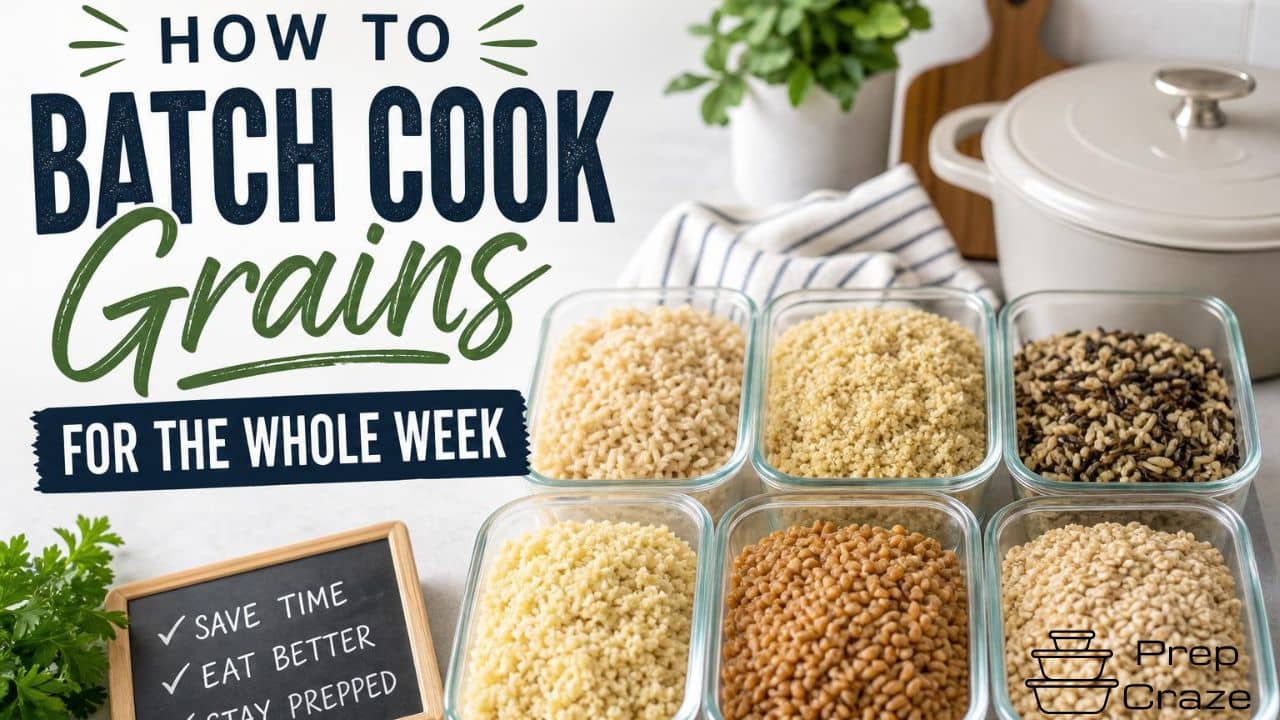
– Cook versatile starches. Rice, quinoa, and potatoes are your best friends. They pair with everything and reheat without a meltdown.
– Build flavor in layers. Don’t dump all the sauce at once. Keep a little extra sauce on hand to brighten leftovers as needed.
Subsection: flavor boosters that survive reheats
– Keep a jar of lemon juice, chili crisp, or a yogurt-based dressing for brightness.
– Add fresh herbs after reheating to revive that “freshly cooked” vibe.
– Use oil-based dressings on salads stored separately to prevent soggy greens.
- Plan 4-5 balanced meals
- Prep 2-3 proteins
- Cook 2-3 starch bases
- Make a few veggie sides that store well
Make the most of small appliances
Your tiny kitchen likely comes with a tiny but mighty toolkit: an instant pot, a mini oven, a toaster oven, a blender. Lean into them, don’t fight them.
– Instant Pot for the win. It’s hands-off, quick, and great for soups, stews, or chickpeas that taste like you had time to simmer all day.
– Toaster oven > full oven. It preheats fast, uses less energy, and doesn’t monopolize the kitchen for an hour.
– Blender versatility. Smoothies for breakfast, sauces for lunch, hummus for snacks. It’s a punchy little multitasker.
Subsection: smart stacking and storage tricks
– Use clear, stackable containers so you can see what you have at a glance.
– Label lids and containers with dates so you don’t play the “which tupperware is this?” game.
– Freeze single-serving portions to keep your fridge from turning into a leftovers museum.
Storage that actually works in a tiny kitchen

Storage is the silent hero of tiny kitchens. It keeps chaos at bay and makes meal prep feel doable, not claustrophobic.
– Vertical space matters. Use wall racks, magnetic strips for spices, and pegboards to hang pots and utensils.
– Rotate weekly. If you’re not grabbing ingredients you don’t need, you’ll waste space. A quick weekly audit helps.
– Use the back-of-fridge trick. Store the day’s ingredients toward the front so you’re not rummaging past last week’s leftovers.
Subsection: labeling and dating for sanity
– Date every batch and note reheating directions.
– Keep a simple “what’s left” board on the fridge to remind you of easy options.
Meal prep hacks for the Salad Lover and the One-Pot Wonder
Two archetypes exist in tiny-kitchen land: the salad lover who wants crisp greens and the one-pot aficionado who wants minimal cleanup. You can be both, with a little clever layering.
– For salads, keep components separate until serving. A crunchy base (napa cabbage, kale), protein, roasted veg, and a zingy dressing in a small jar are your friends.
– For one-pot meals, choose recipes where everything finishes together. Think sheet-pan bakes, skillet meals, or one-pot grains with veggies.
Subsection: how to keep greens crispy
– Add a towel-lined container to absorb moisture, then store greens with the dressing on the side in a separate jar. FYI, a splash of lemon juice helps keep greens bright.
Subsection: speed-boosting combos
– Roast a tray of vegetables, bake chicken thighs, and cook a pot of quinoa. Mix and match across meals for variety without extra effort.
Tiny kitchen, big flavors: seasoning without slowing you down

Seasoning is the secret weapon that makes leftovers feel fresh. You don’t need a wall of bottles to flavor well—you just need a few high-impact staples.
– Keep a flavor trio. A salt, a pepper, and a go-to blend (garlic-ginger, chili-lime, herby Italian) cover most bases.
– Make a quick vinaigrette. Oil, acid (lemon or vinegar), Dijon, salt, and pepper—done in under a minute. It saves you from dry leftovers and dull greens.
– Use citrus for brightness. A squeeze of lemon or lime lights up any dish.
Mindset: staying motivated in a tiny kitchen
Tiny kitchens can feel restrictive, but they’re also liberating. Fewer choices often mean faster decisions.
– Schedule a weekly prep ritual. Pick a day and block a couple of hours. Don’t overthink it; just do it.
– Keep it simple. Complexity is a luxury you don’t need. Simple, reliable routines beat fancy, inconsistent ones.
– Celebrate small wins. A week of tasty lunches is a win, not a miracle.
FAQ
What if I don’t have a lot of fridge space?
Leftover-friendly packing is your friend. Use stackable, flat containers that store upright and take advantage of the door shelves for sauces and breakfast jars. Freeze portions in compact, freezer-safe boxes to free up fridge space.
How can I make meal prep faster in a tiny kitchen?
Prep once, cook once, eat twice—three times if you’re ambitious. Use one-pot or sheet-pan meals, pre-chop veggies in larger batches, and reuse ingredients across meals. And yes, multi-tasking helps: roast veggies while you cook chicken and boil quinoa.
Is it worth investing in a tiny kitchen appliance set?
Absolutely. A good blender or small food processor, a pressure cooker or Instant Pot, and a compact toaster oven can dramatically cut prep time and cleanup. Don’t buy everything at once—start with one or two game-changers.
How do I keep leftovers safe and tasty?
Cool leftovers within two hours, store in shallow containers, and label with dates. Reheat to steaming hot (165°F) and consider freshening up with a splash of lemon juice or a drizzle of your favorite dressing.
What’s the best way to handle crammed cabinet spaces?
Use uniform containers, invest in stackable jars, and install a slim pull-out organizer if possible. Label everything and store the most-used items in easy-to-reach spots. And yes, sometimes the best fix is a small upgrade—think a narrow shelf or a magnetic strip.
Conclusion
Tiny kitchens don’t have to mean tiny meals. With smart planning, a few reliable gadgets, and some good habits, you can meal prep like a pro without turning your space into a labyrinth. Build a system that fits your routine, and your future self will thank you for the leftovers that taste surprisingly fresh. IMO, the secret is simplicity: fewer decisions, more flavor, and a fridge that doesn’t beg you to quit. Ready to give your micro-kitchen a real meal-prep glow-up? Let’s do this.