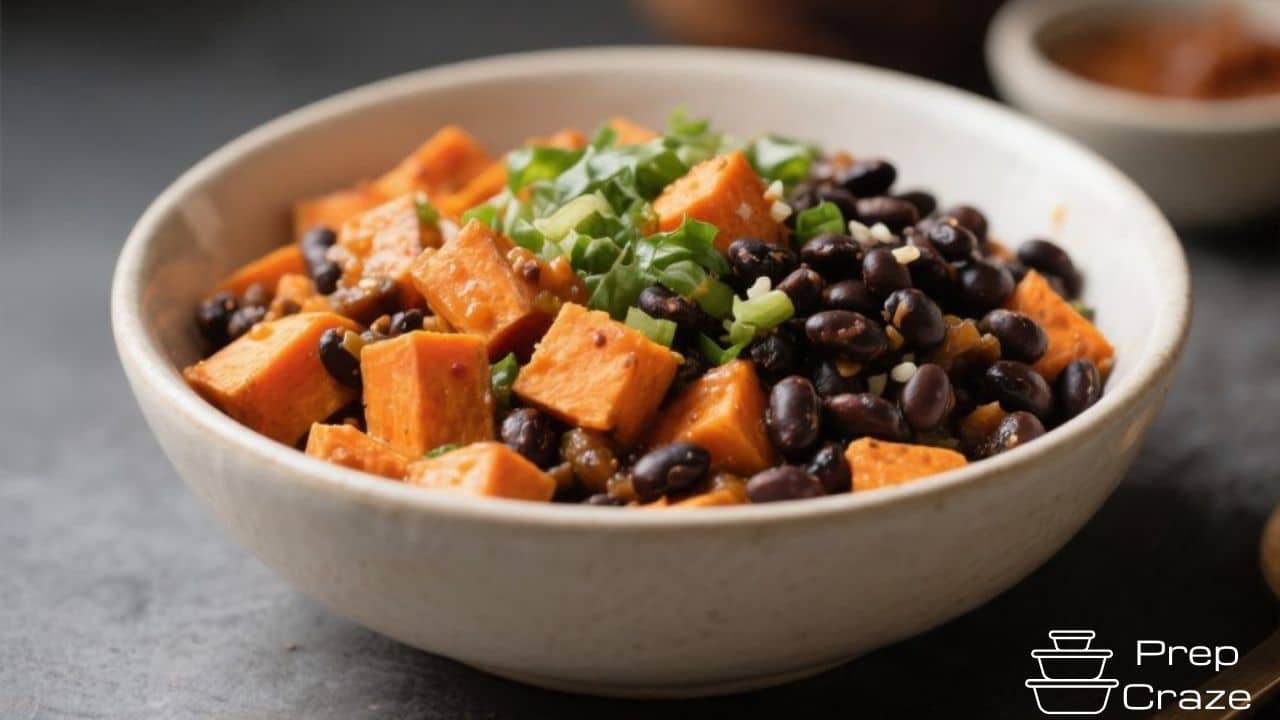
Coconut curry with chickpeas is one of those meals that checks every box: fast, flavorful, and incredibly satisfying. It’s rich without being heavy, full of warm spices, and easy to customize with whatever vegetables you have. If you’re craving something cozy on a busy night, this is the kind of dish that makes dinner feel effortless.
You’ll simmer creamy coconut milk with aromatics, fold in chickpeas, and end up with a sauce that begs for rice or flatbread. Best of all, it’s a great make-ahead recipe that tastes even better the next day.
Why This Recipe Works

- Balanced flavors: Aromatics like onion, garlic, and ginger build a strong base, while curry powder and a hint of tomato paste add depth and brightness.
- Creamy without dairy: Full-fat coconut milk brings body and silkiness, making the curry feel indulgent without cream or butter.
- High-protein, budget-friendly: Chickpeas are affordable and satisfying, offering protein and fiber in every bite.
- Quick and flexible: Ready in about 30 minutes and easy to adapt with spinach, peppers, or sweet potatoes.
- Make-ahead magic: The flavors meld as it rests, so leftovers are especially good.
What You’ll Need
- 2 tablespoons neutral oil (such as avocado, canola, or light olive oil)
- 1 large yellow onion, finely chopped
- 3–4 garlic cloves, minced
- 1 tablespoon fresh ginger, grated or finely minced
- 2 tablespoons curry powder (mild or hot to taste)
- 1 teaspoon ground cumin
- 1/2 teaspoon turmeric (optional but adds color and earthiness)
- 2 tablespoons tomato paste
- 1 can (14–15 oz) full-fat coconut milk
- 1 can (14–15 oz) chickpeas, drained and rinsed
- 1 cup low-sodium vegetable broth (or water)
- 1 medium red bell pepper, sliced (optional but adds sweetness)
- 2 cups baby spinach or chopped kale
- 1–2 teaspoons sugar or maple syrup (to balance acidity; optional)
- 1–2 tablespoons lime juice (or lemon, to finish)
- Salt and black pepper, to taste
- Fresh cilantro, chopped, for garnish
- Cooked rice or warm flatbread, for serving
Step-by-Step Instructions

- Prep your aromatics: Chop the onion, mince the garlic, and grate the ginger. Open the cans of coconut milk and chickpeas so they’re ready to go.
- Sweat the onion: Warm the oil in a large skillet or pot over medium heat.
Add the onion and a pinch of salt. Cook, stirring often, until soft and translucent, about 5–7 minutes.
- Add garlic and ginger: Stir in the garlic and ginger. Cook 1–2 minutes until fragrant, being careful not to let them brown.
- Bloom the spices: Sprinkle in the curry powder, cumin, and turmeric.
Stir for 30–60 seconds so the spices become toasty and aromatic. This step deepens the flavor.
- Tomato paste time: Add the tomato paste and cook, stirring, for 1 minute. It will darken slightly and blend with the spices to form a rich base.
- Build the sauce: Pour in the coconut milk and vegetable broth.
Whisk or stir to dissolve any bits stuck to the pan. Bring to a gentle simmer.
- Add chickpeas and veggies: Stir in the chickpeas and the sliced red pepper (if using). Simmer uncovered for 10–12 minutes, stirring occasionally, until the sauce slightly thickens.
- Wilt the greens: Fold in the spinach or kale.
Cook 1–3 minutes, just until wilted and tender.
- Balance and season: Taste. Add salt and pepper, and if the sauce is too tangy or sharp, stir in 1–2 teaspoons of sugar or maple syrup. Finish with lime juice for brightness.
- Serve: Spoon the curry over rice or with flatbread.
Garnish with chopped cilantro and extra lime wedges if you like.
Storage Instructions
- Refrigerator: Cool completely, then store in an airtight container for up to 4 days.
- Freezer: Freeze for up to 2 months. Leave a little headspace in the container. Thaw overnight in the fridge.
- Reheating: Warm gently on the stovetop over medium-low heat, adding a splash of water or broth if it’s too thick.
In the microwave, heat in 60-second bursts, stirring between.
- Make-ahead tip: The curry thickens as it sits. If you prefer a looser sauce on day two, stir in a bit of broth when reheating.

Why This is Good for You
- Protein and fiber: Chickpeas help keep you full and support steady energy.
- Anti-inflammatory spices: Turmeric and ginger bring compounds associated with reduced inflammation.
- Healthy fats: Coconut milk provides satiating fats that make the meal satisfying.
- Vegetable boost: Spinach and bell peppers add vitamins A, C, K, and minerals like iron and potassium.
Common Mistakes to Avoid
- Skipping the spice bloom: Adding spices directly to liquid can taste flat. Toast them briefly in oil to unlock their aroma.
- Boiling too hard: A rapid boil can split the coconut milk.
Keep the heat at a gentle simmer.
- Under-seasoning: Coconut milk is rich and can mute flavors. Taste and adjust with salt, acid, and a pinch of sweetness.
- Overcrowding with veggies: Too many add-ins can water down the sauce. Pick one or two extras and keep the ratio balanced.
- Using low-fat coconut milk: It can make the sauce thin and less silky.
Full-fat gives the best texture.
Variations You Can Try
- Sweet potato curry: Add 2 cups of peeled, diced sweet potato. Simmer 10–12 minutes before adding spinach.
- Tomato-forward: Stir in a cup of crushed tomatoes with the broth for a tangier, redder sauce.
- Extra heat: Add red pepper flakes, a chopped serrano, or a spoon of chili paste when blooming spices.
- Peanut or almond twist: Whisk in 1–2 tablespoons of peanut or almond butter for a nutty, thicker sauce.
- Herb swap: Try fresh mint or Thai basil with cilantro for a bright, fresh finish.
- Protein boost: Add cubed tofu or cooked chicken along with the chickpeas for extra protein.
- Low-carb serving: Serve over cauliflower rice or sautéed greens instead of rice.
FAQ
Can I use dried chickpeas instead of canned?
Yes. Cook 1 cup of dried chickpeas until tender (about 3 cups cooked) and use them in place of the canned.
If you salt the cooking water, reduce added salt in the curry and adjust to taste at the end.
What kind of curry powder should I use?
Use a curry powder you like the smell of—mild for gentle warmth or hot for extra kick. Every blend is different, so start with 2 tablespoons, then adjust after simmering.
Can I make this oil-free?
You can sauté the onion with a splash of broth or water instead of oil. Keep the heat moderate and add more liquid as needed to prevent sticking.
The sauce will still be creamy thanks to coconut milk.
How do I prevent the coconut milk from curdling?
Keep the heat to a gentle simmer and avoid rapid boiling. Stir regularly and add acidic ingredients, like lime juice, at the end of cooking.
Is this recipe freezer-friendly?
Yes. It freezes well for up to 2 months.
The sauce may thicken slightly after thawing; add a splash of broth or water when reheating to loosen it.
What can I serve with this besides rice?
Try warm naan, roti, quinoa, couscous, or even baked potatoes. A crisp cucumber salad or quick-pickled onions also pair nicely and add freshness.
How can I make it creamier?
Stir in an extra half-can of coconut milk or let the curry simmer a little longer to reduce and thicken. A spoonful of nut butter can also add body.
Can I add other vegetables?
Absolutely.
Cauliflower, green beans, peas, zucchini, or carrots work well. Add firmer veggies earlier so they have time to cook through.
Wrapping Up
Coconut curry with chickpeas is the kind of reliable, feel-good recipe that belongs in your regular rotation. It’s hearty, fast, and flexible enough to meal prep on a budget with whatever’s in your fridge.
With a few pantry staples and simple techniques, you’ll have a creamy, fragrant curry on the table in about half an hour. Make it once, and you’ll keep coming back whenever you want something easy, nourishing, and full of flavor.

Coconut Curry With Chickpeas – Creamy, Comforting, and Weeknight-Friendly
Ingredients
- 2 tablespoons neutral oil (such as avocado, canola, or light olive oil)
- 1 large yellow onion, finely chopped
- 3–4 garlic cloves, minced
- 1 tablespoon fresh ginger, grated or finely minced
- 2 tablespoons curry powder (mild or hot to taste)
- 1 teaspoon ground cumin
- 1/2 teaspoon turmeric (optional but adds color and earthiness)
- 2 tablespoons tomato paste
- 1 can (14–15 oz) full-fat coconut milk
- 1 can (14–15 oz) chickpeas, drained and rinsed
- 1 cup low-sodium vegetable broth (or water)
- 1 medium red bell pepper, sliced (optional but adds sweetness)
- 2 cups baby spinach or chopped kale
- 1–2 teaspoons sugar or maple syrup (to balance acidity; optional)
- 1–2 tablespoons lime juice (or lemon, to finish)
- Salt and black pepper, to taste
- Fresh cilantro, chopped, for garnish
- Cooked rice or warm flatbread, for serving
Instructions
- Prep your aromatics: Chop the onion, mince the garlic, and grate the ginger. Open the cans of coconut milk and chickpeas so they’re ready to go.
- Sweat the onion: Warm the oil in a large skillet or pot over medium heat. Add the onion and a pinch of salt. Cook, stirring often, until soft and translucent, about 5–7 minutes.
- Add garlic and ginger: Stir in the garlic and ginger. Cook 1–2 minutes until fragrant, being careful not to let them brown.
- Bloom the spices: Sprinkle in the curry powder, cumin, and turmeric. Stir for 30–60 seconds so the spices become toasty and aromatic. This step deepens the flavor.
- Tomato paste time: Add the tomato paste and cook, stirring, for 1 minute. It will darken slightly and blend with the spices to form a rich base.
- Build the sauce: Pour in the coconut milk and vegetable broth. Whisk or stir to dissolve any bits stuck to the pan. Bring to a gentle simmer.
- Add chickpeas and veggies: Stir in the chickpeas and the sliced red pepper (if using). Simmer uncovered for 10–12 minutes, stirring occasionally, until the sauce slightly thickens.
- Wilt the greens: Fold in the spinach or kale. Cook 1–3 minutes, just until wilted and tender.
- Balance and season: Taste. Add salt and pepper, and if the sauce is too tangy or sharp, stir in 1–2 teaspoons of sugar or maple syrup. Finish with lime juice for brightness.
- Serve: Spoon the curry over rice or with flatbread. Garnish with chopped cilantro and extra lime wedges if you like.