
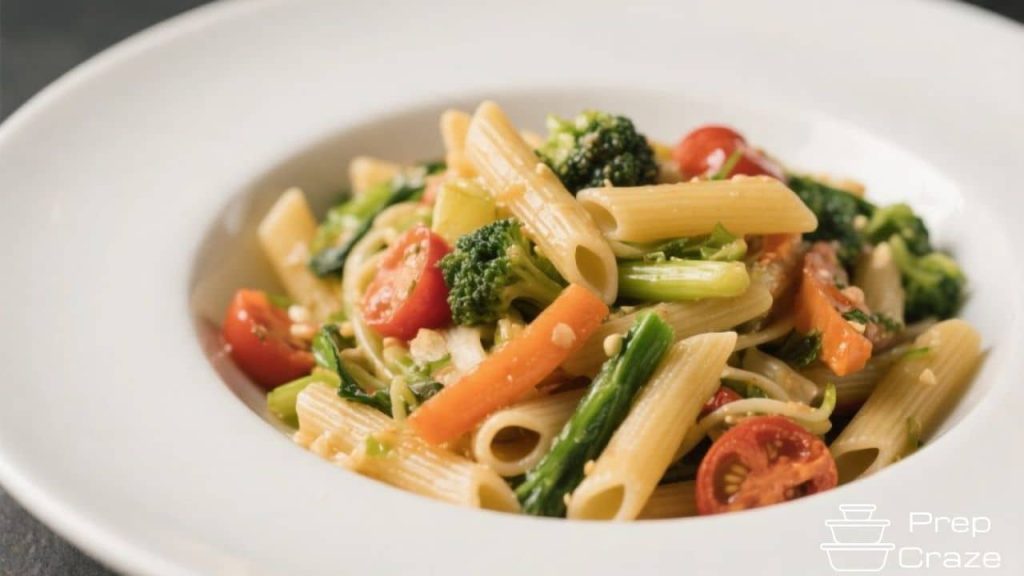
Pasta Primavera is the kind of dish that feels like sunshine in a bowl. It’s colorful, fresh, and satisfying without being heavy. You get tender pasta tossed with crisp-tender vegetables, a light sauce, and a sprinkle of cheese that ties everything together.
It’s easy enough for a busy weeknight but still pretty enough for company. If you’re looking for a flexible, family-friendly meal that celebrates veggies, this is it.
What Makes This Special

This version keeps the spirit of Pasta Primavera simple and seasonal, with a light, silky sauce that clings to the pasta instead of drowning it. The vegetables are cooked just until bright and crisp, so you keep their texture and flavor.
A splash of pasta water and a touch of cream create a glossy finish without feeling heavy. Best of all, you can swap in whatever produce you have—this recipe is meant to be adapted. The result is fresh, balanced, and ready in under 40 minutes. If you want to keep your meal prep fresh throughout the week, this dish holds up beautifully.
Shopping List
- Pasta: 12 oz (340 g) of penne, farfalle, or spaghetti
- Olive oil: 3 tbsp
- Butter: 2 tbsp
- Garlic: 3–4 cloves, minced
- Shallot or onion: 1 small, finely chopped
- Fresh vegetables: 3–4 cups total, such as:
- Asparagus, trimmed and cut into 1-inch pieces
- Broccoli florets
- Cherry tomatoes, halved
- Red bell pepper, sliced
- Zucchini or yellow squash, sliced into half-moons
- Peas (fresh or frozen)
- Carrots, thinly sliced
- Spinach or baby greens
- Heavy cream: 1/2 cup (optional but recommended)
- Parmesan cheese: 3/4 cup, finely grated, plus more for serving
- Lemon: 1, for zest and juice
- Fresh herbs: Basil and/or parsley
- Red pepper flakes: Optional, for a little heat
- Salt and black pepper: To taste
How to Make It

- Prep the produce. Wash and cut all vegetables into bite-size pieces.
Aim for similar sizes so they cook evenly. Mince the garlic and chop the shallot.
- Boil the pasta. Bring a large pot of salted water to a rolling boil. Cook the pasta until just shy of al dente. Reserve 1 to 1.5 cups of pasta water, then drain.
- Sauté the aromatics. In a large skillet, heat olive oil over medium.
Add the shallot with a pinch of salt and cook until softened, 2–3 minutes. Stir in the garlic for 30 seconds until fragrant.
- Cook the veggies in stages. Start with the firmest vegetables (carrots, broccoli, asparagus stems). Sauté 3–4 minutes.
Add medium-tender veggies (zucchini, bell pepper) and cook 2–3 minutes more. Finish with quick-cooking items (peas, spinach, tomatoes) and cook just until bright. Season as you go with salt and pepper.
- Add butter and build the sauce. Melt the butter into the vegetables. Pour in 1/2 cup reserved pasta water and bring to a gentle simmer.
Stir in the cream, if using, and let it thicken slightly, 1–2 minutes.
- Toss with pasta. Add the drained pasta to the skillet. Sprinkle in the Parmesan and a big squeeze of lemon juice with some zest. Toss vigorously, adding more pasta water as needed to create a silky, glossy sauce that coats everything.
- Finish and taste. Add chopped basil/parsley and a pinch of red pepper flakes if you like heat.
Taste and adjust with salt, pepper, and more lemon. The flavor should be bright and balanced.
- Serve. Plate with extra Parmesan and a drizzle of olive oil. Serve hot.
Storage Instructions
- Refrigerator: Store leftovers in an airtight container for up to 3 days.
- Reheating: Warm gently in a skillet with a splash of water or broth to loosen the sauce.
Avoid high heat to prevent overcooking the vegetables.
- Freezing: Not ideal. The vegetables can turn mushy and the sauce may separate. If you must freeze, undercook the pasta and skip the cream; add cream after thawing and reheating.

Benefits of This Recipe
- Flexible and seasonal: Works with almost any vegetable you have on hand.
- Balanced meal: Carbs, fiber, and a bit of protein from the cheese make it filling without being heavy.
- Quick and approachable: On the table in under 40 minutes with simple steps.
- Great for leftovers: Holds up well for lunch the next day with a quick reheat.
- Kid-friendly: Mild flavors with room for customization.
Common Mistakes to Avoid
- Overcooking the vegetables: Aim for crisp-tender.
They should stay vibrant and slightly firm.
- Skipping the pasta water: The starchy water is your secret to a silky sauce that clings to the pasta.
- Adding cheese over high heat: This can cause clumping. Reduce the heat and toss steadily as you add Parmesan.
- Forgetting to season in layers: Salt and taste at each stage—pasta water, vegetables, and sauce.
- Using too many vegetables at once: Crowding the pan steams them. Cook in batches if needed for better caramelization and texture.
Recipe Variations
- Lighter (no cream): Skip the cream and use extra pasta water and a knob of butter.
Finish with extra lemon and olive oil.
- Protein boost: Add grilled chicken, sautéed shrimp, or chickpeas. Fold in at the end so they stay tender.
- Herb-forward: Swap basil for mint or tarragon. Fresh herbs make a big difference in flavor.
- Spicy primavera: Add more red pepper flakes and a pinch of chili powder or Calabrian chili paste.
- Vegan option: Use olive oil only, skip the cream and Parmesan, and finish with a splash of unsweetened oat cream and nutritional yeast or a vegan Parmesan.
- Roasted vegetable twist: Roast the veggies at 425°F (220°C) with olive oil, salt, and pepper until caramelized, then toss with pasta and sauce.
- Whole-grain or gluten-free: Use whole-wheat pasta for more fiber or a quality gluten-free brand.
Watch the cook time closely.
FAQ
What pasta shape works best for Pasta Primavera?
Short shapes like penne, fusilli, or farfalle are great because they catch bits of vegetables and sauce. Spaghetti or linguine also work well if you prefer long strands. Use what you like and what you have.
Can I make it without dairy?
Yes.
Replace butter with olive oil, skip the cream, and use pasta water plus a splash of oat or almond cream for body. Finish with nutritional yeast or a vegan Parmesan for a savory kick.
How do I keep the vegetables from turning soggy?
Cut them evenly, cook in batches, and don’t overcook. Add delicate vegetables last and keep the heat at medium to medium-high so excess moisture evaporates quickly.
Is it okay to use frozen vegetables?
Absolutely, especially peas and broccoli.
Thaw and pat dry if possible, and cook over higher heat to reduce excess moisture. Fresh tomatoes and greens are still best added at the end for texture.
What can I use instead of cream?
Use extra pasta water plus a tablespoon or two of butter for silkiness. You can also add a spoonful of mascarpone or ricotta for a creamy feel, or a splash of half-and-half.
How do I make it more filling?
Add protein like grilled chicken, shrimp, Italian sausage, or white beans.
You can also top each serving with a poached or soft-fried egg for richness.
Can I make this ahead?
You can prep and chop all the vegetables a day ahead. Cook the pasta and sauce fresh for the best texture. If making fully ahead, undercook the pasta slightly and reheat gently with extra pasta water.
Wrapping Up
Pasta Primavera is proof that simple ingredients can make a fresh, memorable meal.
With a smart mix of vegetables, a light sauce, and a squeeze of lemon, it’s satisfying without weighing you down. Keep this as your base, then tweak it with the vegetables and herbs you love. Once you make it a couple times, you’ll have a weeknight staple you can throw together from whatever’s in the fridge—colorful, comforting, and always delicious.

Pasta Primavera – A Bright, Veggie-Packed Weeknight Favorite
Ingredients
- Pasta: 12 oz (340 g) of penne, farfalle, or spaghetti
- Olive oil: 3 tbsp
- Butter: 2 tbsp
- Garlic: 3–4 cloves, minced
- Shallot or onion: 1 small, finely chopped
- Fresh vegetables: 3–4 cups total, such as: Asparagus, trimmed and cut into 1-inch pieces
- Broccoli florets
- Cherry tomatoes, halved
- Red bell pepper, sliced
- Zucchini or yellow squash, sliced into half-moons
- Peas (fresh or frozen)
- Carrots, thinly sliced
- Spinach or baby greens
- Heavy cream: 1/2 cup (optional but recommended)
- Parmesan cheese: 3/4 cup, finely grated, plus more for serving
- Lemon: 1, for zest and juice
- Fresh herbs: Basil and/or parsley
- Red pepper flakes: Optional, for a little heat
- Salt and black pepper: To taste
Instructions
- Prep the produce. Wash and cut all vegetables into bite-size pieces. Aim for similar sizes so they cook evenly. Mince the garlic and chop the shallot.
- Boil the pasta. Bring a large pot of salted water to a rolling boil. Cook the pasta until just shy of al dente. Reserve 1 to 1.5 cups of pasta water, then drain.
- Sauté the aromatics. In a large skillet, heat olive oil over medium. Add the shallot with a pinch of salt and cook until softened, 2–3 minutes. Stir in the garlic for 30 seconds until fragrant.
- Cook the veggies in stages. Start with the firmest vegetables (carrots, broccoli, asparagus stems). Sauté 3–4 minutes. Add medium-tender veggies (zucchini, bell pepper) and cook 2–3 minutes more. Finish with quick-cooking items (peas, spinach, tomatoes) and cook just until bright. Season as you go with salt and pepper.
- Add butter and build the sauce. Melt the butter into the vegetables. Pour in 1/2 cup reserved pasta water and bring to a gentle simmer. Stir in the cream, if using, and let it thicken slightly, 1–2 minutes.
- Toss with pasta. Add the drained pasta to the skillet. Sprinkle in the Parmesan and a big squeeze of lemon juice with some zest. Toss vigorously, adding more pasta water as needed to create a silky, glossy sauce that coats everything.
- Finish and taste. Add chopped basil/parsley and a pinch of red pepper flakes if you like heat. Taste and adjust with salt, pepper, and more lemon. The flavor should be bright and balanced.
- Serve. Plate with extra Parmesan and a drizzle of olive oil. Serve hot.


