
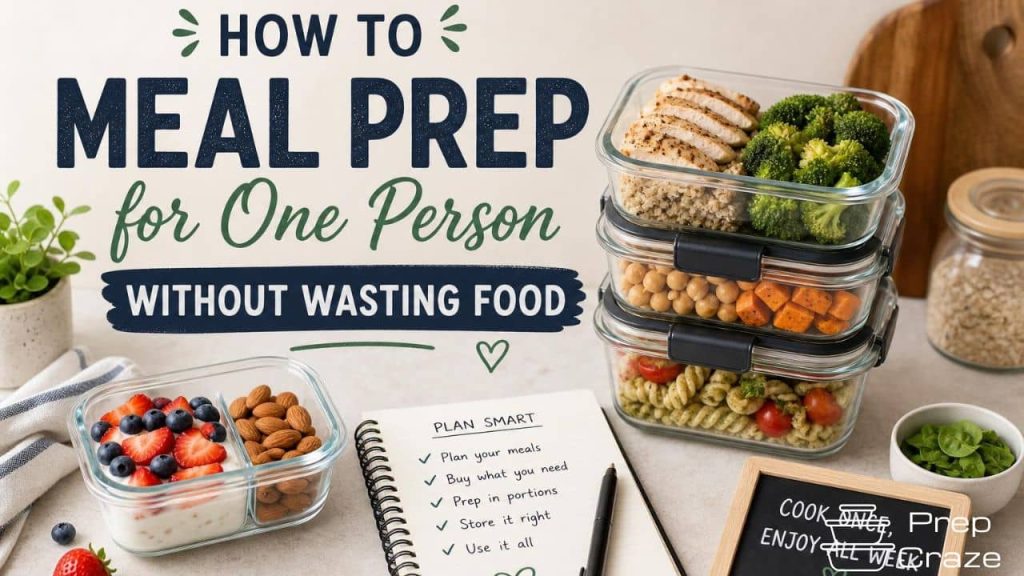
I cook for one and somehow still end up with mystery Tupperware and a fridge full of “leftover potential.” Let’s fix that. You don’t need a culinary degree or a tiny army of containers to meal prep for one. You just need smart planning, sane portions, and a few tricks that actually work in real life. Ready? Let’s dive in.
Know Your Real Portions (So You Don’t Turn Leftovers Into a Mystery Meat Museum)
When you’re cooking for one, portion control becomes your best friend. You’ll save money, cut waste, and actually enjoy your meals instead of fearing a fridge full of “what is this?”.
– Start with a baseline: lunch-sized portions (about 2 cups cooked) and dinner-sized portions (about 1.5-2 cups). Adjust based on your appetite, but use these as a starting point.
– Think in containers, not recipes. If you know you eat two portions, you’ll plan meals around a two-portion plate rather than cooking for five.
– Freeze smart. If you’re making something heavy, portion it into single-serving bags or containers before you’re tempted to nibble at it all week.
– Plan for variety within a week. One big pot is great, but if you only eat the same thing every day, you’ll burn out.
Plan Like a Realistic Human (Not a Competitive Eater)
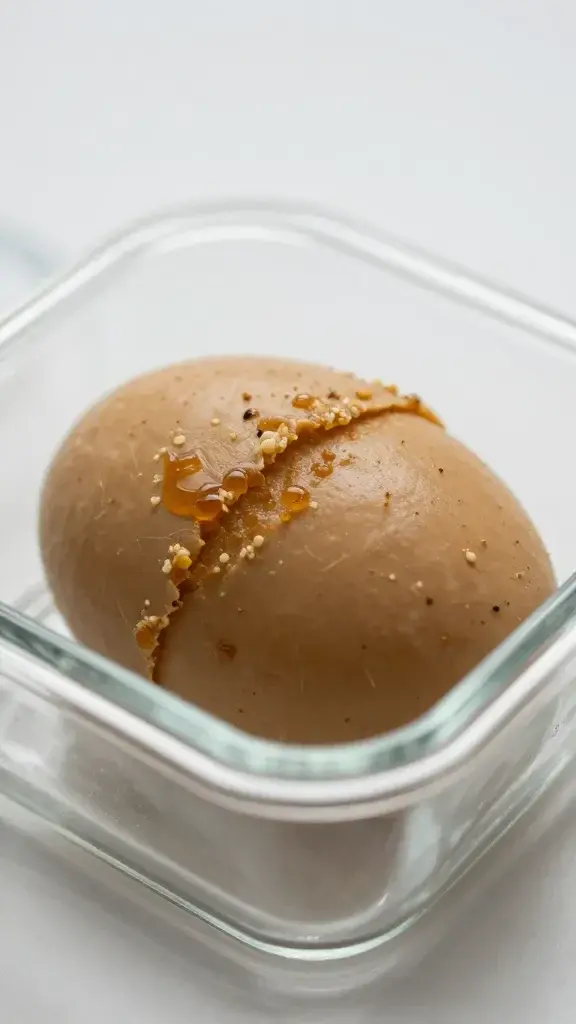
Big meals every night are adorable in theory, but reality often says, “I’ve got 10 minutes, where’s the microwave?” Plan for efficiency and life.
What to plan
– Pick 3-4 core proteins you actually enjoy. Rotate through them.
– Add 3-4 quick-cook staples (rice, quinoa, potatoes, pasta) that reheat well.
– Build 1-2 veggie sides that stay good in the fridge for days.
– Include a couple of “wildcard” meals for nights you’re too tired to think.
Make a simple one-week plan
– Monday: chicken + quinoa + roasted veggies
– Tuesday: chickpea curry + rice + greens
– Wednesday: salmon + potatoes + broccoli
– Thursday: veggie stir-fry + noodles
– Friday: omelette + roasted veggies + toast
– Weekend: batch something stretchy like chili or soup that freezes well
Batch It Up Without Turning Your Kitchen Into a Chaos Zone
Batch cooking sounds intimidating, but it’s mostly about using your time wisely and washing fewer dishes later. The goal is to cook once, eat twice, and freeze the rest.
Batch ideas that actually scale down well
– Proteins: bake a couple of chicken breasts, a fillet of fish, or a block of tofu in one go. They freeze beautifully and thaw quickly.
– Grains: cook a big batch of rice, quinoa, or farro that you can portion out across several meals.
– Veggies: roast a sheet pan of mixed veggies (carrots, zucchini, peppers) so you have instant sides.
– Sauces: whip up a small batch of tomato sauce, pesto, or a basic vinaigrette to transform leftovers.
Reheating tips for flavor preservation
– Reheat proteins in a skillet with a splash of water or broth to keep them moist, not dry.
– Reheat grains and pasta with a pinch of moisture or a drizzle of olive oil.
– Stir-fry leftovers for a fresh feel instead of microwaving everything together.
Smart Shopping: Fresh, Frozen, and What to Buy in Bulk

Your fridge should be full of options you actually want to eat, not the leftovers of last month’s impulse buys.
Fresh vs. frozen
– Fresh for veggies that shine raw or cook quickly (leafy greens, peppers, cucumbers).
– Frozen for everything else. Frozen veggies are picked at peak freshness and last longer without freezer burn drama.
– Freeze fruit when it’s ripe. It makes smoothies and breakfasts a breeze.
Bulk buys that don’t rot your brain
– Dry staples: beans, lentils, oats, rice, pasta. They sit pretty and are cheap.
– Spices and pantry basics: keep a lean rotation so you don’t end up with expired bottles.
– Proteins in bulk: consider buying a whole chicken or a big salmon fillet and portioning it yourself.
Smart Prep Techniques for Real-Life Singleness
You don’t need to become a chef to eat well solo. You just need flexible techniques that play nice with your schedule.
Two-ingredient meals that save the day
– Egg + spinach scramble with toast
– Tuna + bean salad with a lemon-olive oil dressing
– Chicken + lemon-herb quinoa bowls
Make meals that remix easily
– Build bowls: grain, protein, roasted veg, and a tasty sauce. Swap in new veggies or sauces to feel fresh without cooking from scratch.
– Layer flavors in one pan: sheet-pan meals where everything cooks together save time and cleanup.
– One-pot wonders: soups, stews, chili, and curries stretch ingredients and taste better the next day.
Storage Smarts: Containers, Labels, and the Great Label Debate
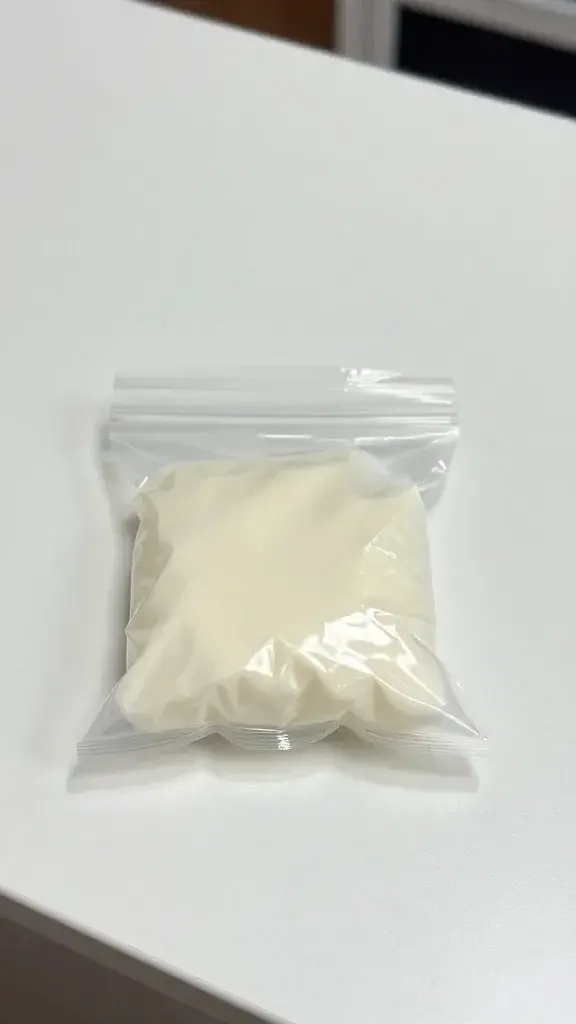
If you’re tired of the “stack and forget” fridge, you’re not alone. The right system makes all the difference.
Containers that actually work
– Use clear containers so you can see what’s inside—less rummaging, more eating.
– Have a mix of sizes: small for lunches, medium for dinners, a few large for batch meals.
– Invest in freezer-safe containers to protect leftovers from freezer burn.
Labeling that saves you time
– Date everything. It’s amazing how quickly a “forgotten” container becomes a science experiment.
– Include contents and reheating notes if needed. FYI, a quick note like “reheat in skillet with 1–2 tbsp water” saves you from dry leftovers.
What to do with leftovers
– Create a leftovers night once a week where you mix and match components.
– Use yesterday’s protein for today’s wrap or salad—change the vibe, not the base.
Flavor Hacks: So Your Food Feels Fresh, Not Reheated-Again
Reheating can feel sad if you let it. Here are ways to keep flavors bright.
– Brighten with citrus: a squeeze of lemon or lime wakes up a bland reheated dish.
– Fresh herbs last-minute: add chopped parsley, cilantro, or basil after reheating.
– Textures matter: add a crisp topping like roasted seeds, nuts, or a quick pan-fried vegetable to contrast with softer leftovers.
– Don’t fear salt. A pinch more can make a big difference after reheating.
Mindset Shifts: Making It Stick Without Turning Into a Nutritious Burden
Meal prepping for one should feel like a plan that respects your life, not a full-time job.
– Start small. Pick one meal to prep weekly and expand as you get comfortable.
– Encode “no-waste” into your routine. If you buy it, cook it. If you cook it, eat it or freeze it.
– Allow flexibility. If you’re not feeling a planned dish, swap in something you actually want to eat. Your future self will thank you.
– Make it social, even if solo. Share your batch results with a friend or on a small food diary. It’s motivating.
FAQ Section
How do I meal prep for one when I have a tiny fridge?
Small fridges are doable. Use stackable, space-efficient containers and plan for fewer, bigger batches that fit vertically. Freeze portions if you can, and keep high-turnover items like greens front and center so you actually use them.
What should I do if I’m always hungry between meals?
Increase protein and fiber at meals to promote fullness. Add a snack of yogurt, nuts, or fruit between meals if needed. Build a quick “snack plate” with a protein, a carb, and a veg, so you’re not reaching for random, less-healthy options.
How long can cooked meals safely stay in the fridge or freezer?
Most cooked meals stay good in the fridge for 3–4 days. Freeze for longer storage—most dishes hold well for 2–3 months. When in doubt, trust your senses: if it looks or smells off, don’t risk it.
Is it okay to rely on frozen meals to save time?
Frozen meals can be part of your plan, but you’ll save money and flavor by cooking from scratch when you can. Use frozen components to bridge the gap on busy days rather than relying on heavily processed singles.
What’s a quick Sunday prep routine I can actually stick to?
Set a 60-minute window on Sunday. Bake proteins, roast a sheet pan of vegetables, cook a big batch of grains, and assemble a few ready-to-eat bowls. Label, portion, and stash. You’re done for the week in one hour.
Conclusion
Wrap-Up: Your One-Person Meal Prep, Made Easy
Meal prepping for one doesn’t require a secret sorcery or a kitchen-side army. It’s about smart portions, realistic planning, and routines you can actually keep. Start with small wins: prep a couple of lunches, batch a dish you love, and invest in containers that make life easier. Before you know it, you’ll be doodling week-long menus, not wrestling with mystery leftovers.
So grab a tote of vegetables, a couple of protein options, and a plan that fits your life. FYI, your future self will thank you for not letting half the fridge go to waste. Happy prepping, friend—your meals and your wallet will both thank you.


