

I’ll be honest: meal prepping can feel intimidating, like you’re about to launch a mini catering business in your fridge. Spoiler: it doesn’t have to. Start small, stay flexible, and you’ll smash your week’s meals without turning your kitchen into a food volcano. Ready to level up your lunch game? Let’s dive in.
What meal prepping actually means for real people
If you’ve never prepped before, the concept can sound fancy. Here’s the truth: meal prepping is simply planning ahead so you eat better and stress less. It’s not about rigid schedules or spending hours chopping veggies. It’s about having tasty, deployable meals ready when you’re hungry and short on time. FYI, you’re aiming for consistency, not perfection.
Start with a small, doable plan
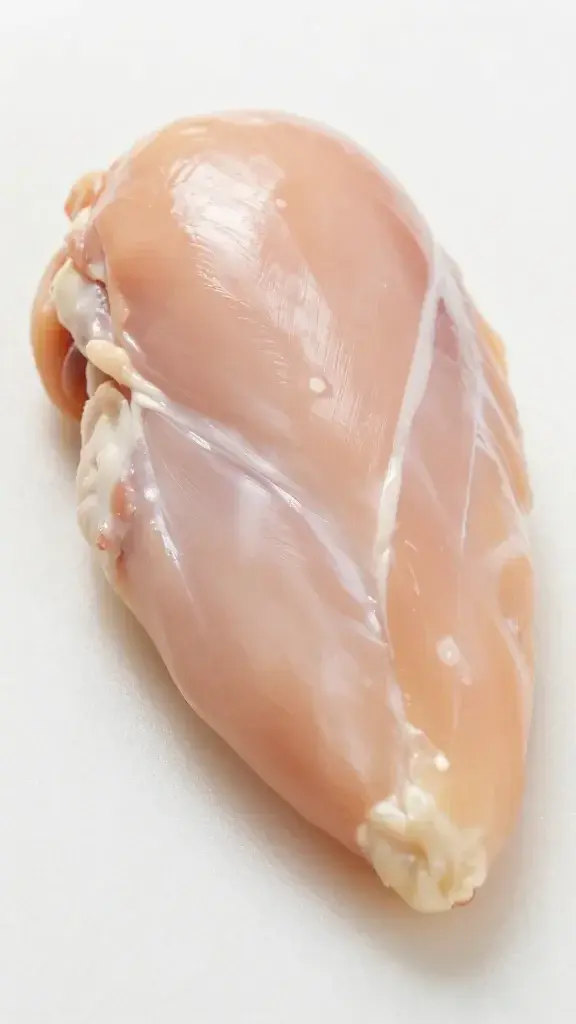
The most common derailment is aiming too high too soon. Start with one or two components you actually enjoy and can reheat without a museum-grade presentation.
- Pick a protein you like (chicken, tofu, eggs, lentils, or beans). Bake, grill, or sauté once and reuse all week.
- Choose a starch you’ll actually finish (rice, quinoa, potatoes, or pasta). Batch-cook a cup or two per batch.
- Load up a couple of veggies you love (roasted broccoli, bell peppers, or steamed greens).
Why this approach? It’s fast, forgiving, and scales up as you get comfy. If you dislike something one week, swap it next time without throwing your plan off a cliff. IMO, variety keeps you from getting bored.
Tools and prep workflow you can actually sustain
You don’t need a chef’s kitchen to start. A few practical tools make a big difference and keep things sane.
- Storage containers—BPA-free, leak-proof, and stackable. Glass or good plastic both work; pick what you’ll actually use.
- A sharp knife and a decent cutting board—trust me, it saves time and avoids injuries.
- A sheet pan for bulk roasting and a pot for grain or pasta.
- A simple meal-prep routine—set aside 2–3 hours on a weekend or 60–90 minutes on a weekday evening.
If you’re feeling overwhelmed, break the workflow into micro-steps: plan, shop, cook, portion, store, and reheat. Do one step at a time and you’ll build momentum.
Smart cooking methods that save you time (without sacrificing flavor)

The goal is flavor, not bland leftovers. Here are quick methods that maximize taste with minimal effort.
Batch roasting is your friend
Roasting veggies and proteins at the same time makes clean-up easier and flavors mingle nicely. Toss veggies with a little oil, salt, and pepper. Add your protein—right on the same sheet pan if they cook at similar temps. Finish with a squeeze of lemon or a sprinkle of fresh herbs to brighten things up.
Grains that stay fluffy
Rinse grains if needed, cook in a ratio that matches the package directions, and fluff with a fork. Let them cool before packing to prevent sogginess. If you’re short on time, consider pre-cooked options or frozen grains—they’re a legit time-saver.
Flavor boosters in a bottle
Keep a couple of easy flavor boosters on hand: a simple vinaigrette, a tahini-lemon sauce, or a quick garlic-ginger dressing. A little drizzle can turn “meh” into “delicious” in seconds.
Portioning and storing like a pro
Portion control isn’t punitive; it’s practical. It helps you know what you’re eating and keeps you from double-wrapping fear with a pizza slice.
- Use your containers wisely—aim for compartments or separate containers for protein, carbs, and veggies so you can mix and match.
- Label and date—a tiny sticky note or a marker works. You’ll thank yourself mid-week when you’re staring at a fridge full of options.
- How long? Most meals stay fresh for 3–4 days in the fridge. Freeze portions if you won’t touch them in time, but not everything freezes well (think crisp greens or delicate sauces).
Hot tip: diversify textures. A reheated meal is more appealing when you’ve got something crunchy or bright, like roasted peppers or a sprinkle of seeds, on top.
Designing your first week menu (without losing your mind)

Here’s a simple framework to help you map out a week of meals without resorting to boring burritos every day.
Day-by-day blueprint
- 3 main meals you’ll actually eat (lunch or dinner fans, raise your hands).
- 2 quick breakfasts you can grab on the go.
- Snacks or add-ons if you’re hungry between meals.
Sample starter menu
- Protein: Baked lemon-garlic chicken thighs
- Starch: Garlic roasted potatoes
- Veggies: Roasted broccoli and carrots
- Quick sauce: Yogurt-cucumber drizzle
Three rounds of this and you’ll see what works. If you hate potatoes, swap in quinoa. If you love beans, swap the protein for a hearty lentil mix. The beauty of this system is its flexibility.
Make it sustainable: staying committed without burning out
Consistency beats intensity. If you start intense, you’ll burn out fast. Here are ways to keep it enjoyable.
- Schedule a regular prep time and treat it like a non-negotiable appointment.
- Start small and add one new dish every week.
- Be forgiving with yourself—you’ll have off days, and that’s okay.
- Involve others—share leftovers with family or roommates to avoid waste and give you accountability.
FYI, the goal isn’t to become a meal-prep machine. It’s to create a reliable base so you stop grabbing random takeout when the clock hits 6 pm.
Common pitfalls (and how to dodge them)
Everybody trips up at first. Here are foreseeable snags and quick fixes.
- Too much at once—start with 2–3 meals, not a full week’s worth. Your fridge will thank you.
- Overcooking proteins—pork to dryness is a crime, but so is chicken that’s chewy. Use a thermometer when in doubt.
- Microwave mush—give grains and veggies a quick steam or air-fry refresh to revive texture.
And a reminder: your tastes evolve. If you don’t love something after a trial run, swap it out next time. No big drama.
FAQ
Do I really need to meal prep every week?
Not at all. Start with every other week or just one day a week. The goal is to build a habit that saves you time and stress, not to run a full kitchen circus.
What if I have limited kitchen equipment?
You can still do this. A single sheet pan, a pot, and a good cutting board go a long way. Use batch cooking on the stovetop or microwave-friendly methods for those tiny kitchens.
How long will meals stay fresh?
Most meals stay good in the fridge for 3–4 days. Freeze portions if you won’t finish them in time. Label with names and dates so you don’t play freezer roulette.
How do I avoid boring meals?
Build flavor variety with different sauces, herbs, and textures. Swap proteins, switch up grains, and add a crunchy topping or fresh herbs for brightness.
Is meal prepping worth it for a busy person?
Yes. It reduces decision fatigue, helps you eat more balanced meals, and cuts down on last-minute unhealthy options. IMO, it’s a small investment of time for big wins.
Conclusion
Meal prepping doesn’t have to be a grand lab experiment. It’s a practical way to eat better, save money, and reclaim evenings you used to spend staring at a takeout menu. Start with one or two meals, keep the process simple, and let your routine grow organically. You’ll be surprised how much you enjoy a fridge full of ready-to-go meals that still feel like you cooked them. Ready to give it a shot this weekend? Your future self will thank you.


