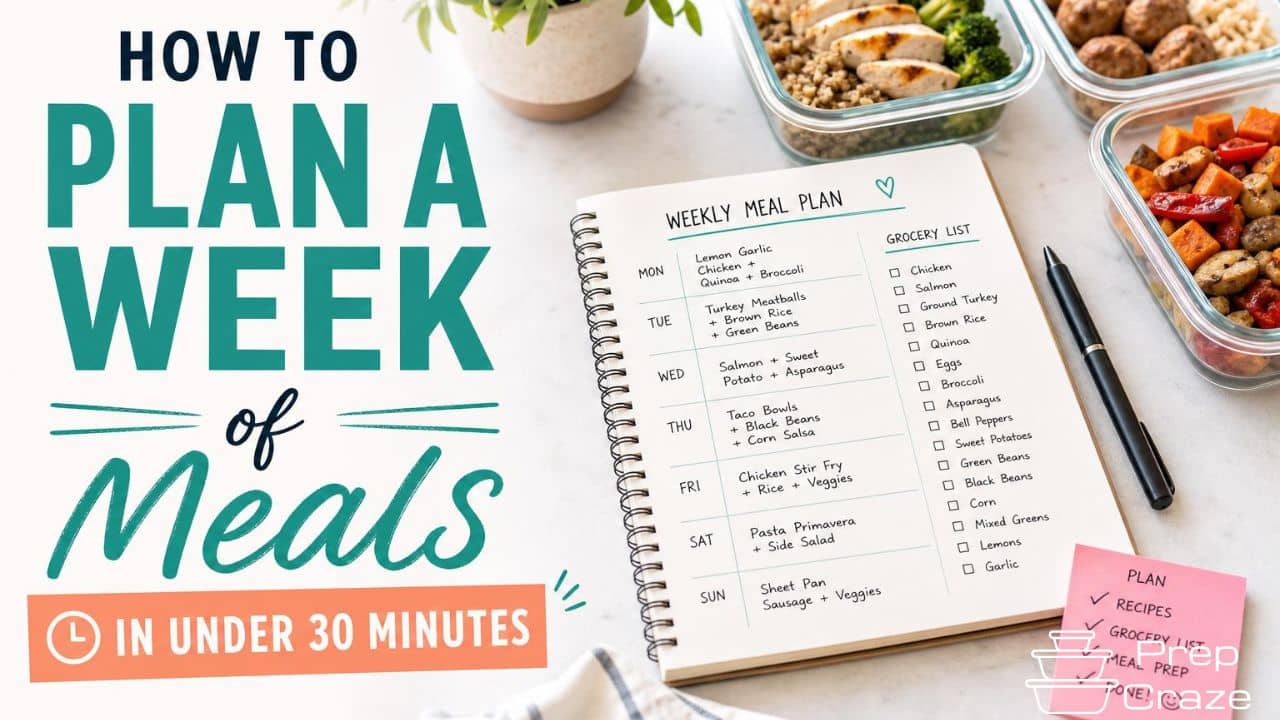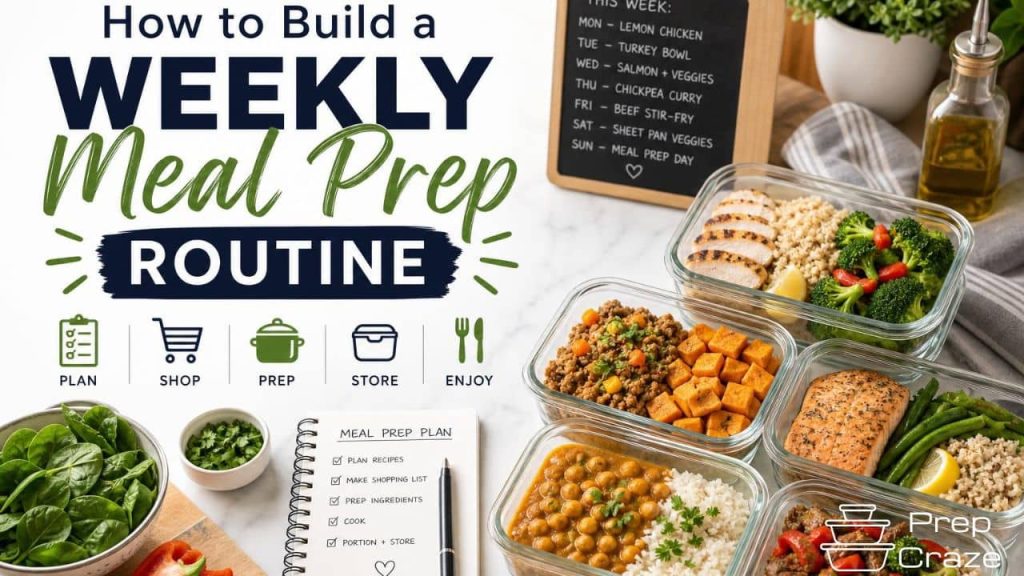
If you’re tired of weeknight chaos and mystery leftovers, you’re in the right place. Let’s craft a meal-prep routine that sticks, not just a sparkly Pinterest dream. Spoiler: it’s about small wins, not perfect spreadsheets.
Why a Weekly Routine Actually Works (and why you should care)
You know that feeling when Sunday morning feels like a reset button? That’s what a routine delivers—consistency with less grind. When you plan once, you save daily decision fatigue. It’s not about becoming 1950s housewife vibes; it’s about sanity, calories, and spare time for the things you actually enjoy. FYI, your future self will thank you.
Start with a Realistic Game Plan
Before you boil water or chop onions, ask yourself: what do I actually want to eat this week? Aim for balance, not perfection. Here’s a simple blueprint to lock in fast.
- Pick 3-4 core meals you enjoy and can batch-prep.
- Choose 1-2 snack options that travel well and don’t require refrigeration gymnastics.
- Set a 2-hour prep window on Sunday, or split into two 60-minute sessions if that fits better.
- Inventory check before you shop—don’t buy 17 ingredients you’ll forget about.
Smart Shopping: Build a Staples Zone
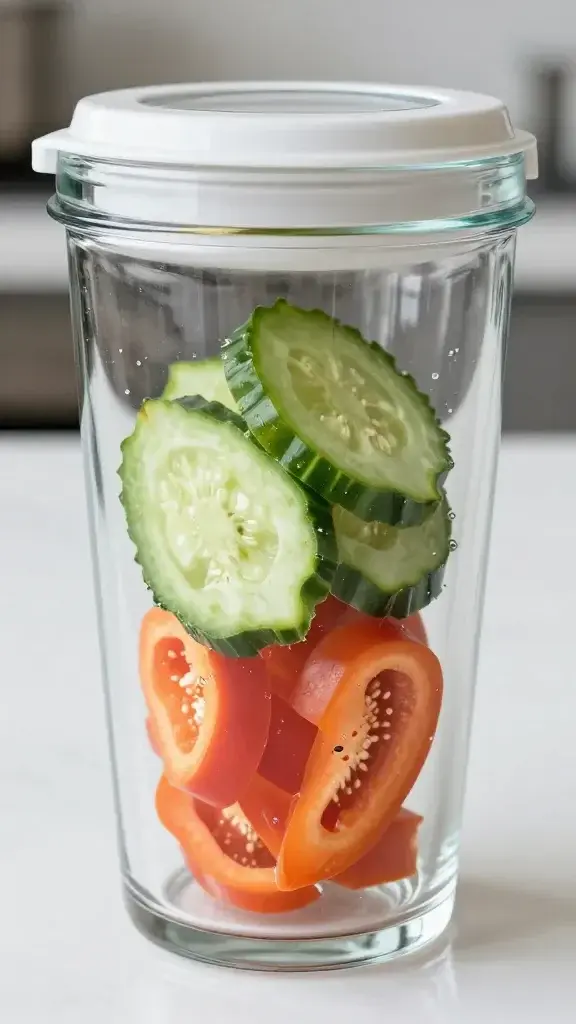
If your pantry resembles a scavenger hunt, you’ll waste more time than you save. Create a Staples Zone you actually use.
- Grains and proteins: rice, quinoa, pasta, lentils, beans, chicken, tofu, eggs.
- Veggies that hold up: carrots, broccoli, bell peppers, onions, frozen greens.
- Flavor boosters: olive oil, garlic, soy sauce, spices, lemon, herbs.
- Healthy hacks: pre-washed greens, rotisserie chicken, canned tomatoes.
Batch Cooking: Do the 2-3 Pot Method
No need to cook 7 dishes. The trick is to batch-cook a few versatile components that mix and match.
Base components that travel well
- Grains: cook a big pot of rice or quinoa.
- Protein: bake chicken thighs, roast tofu, or simmer beans.
- Veggies: roast a tray of mixed veggies or steam a big batch of broccoli.
Flavor in minutes
- Marinades and sauces in a jar (garlic-lemon, teriyaki, or feta-tomato) keep things exciting.
- Salt, acid, fat, and heat—master this trio to elevate bland leftovers.
- Crunch or freshness: fresh herbs, sliced cucumbers, or a squeeze of lime brighten meals.
Storage that Keeps You Honest
Storing food correctly is as important as cooking it. No one likes soggy mystery containers at 7 p.m.
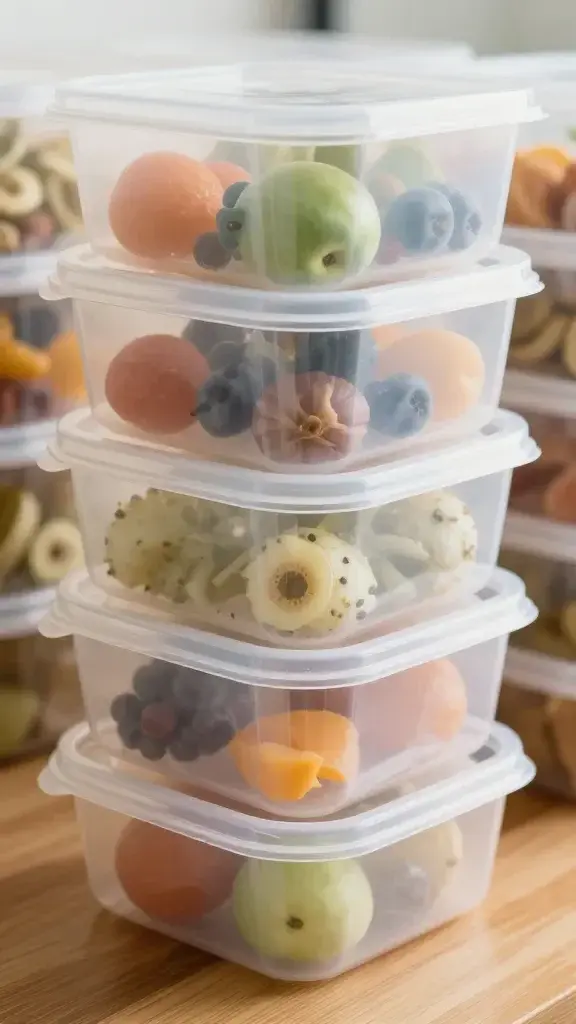
- Use clear, stackable containers to see what you’ve got at a glance.
- Label with dates so you don’t play “guess how long this has been here.”
- Portion control helps with macros and reduces waste.
Make It a Routine, Not a Ritual
Rituals are great when they actually fit your life; this isn’t about turning Sunday into a full-on production. It’s about consistency with minimal friction.
Two levers to pull
- Time-block the prep on your calendar, even if it’s a 60-minute window.
- Keep it flexible—swap meals, swap ingredients, swap days if life happens.
How to Keep It Fresh Without Overthinking It
Consistency + variety = sustainability. You don’t want to eat the same bland bowl all week or burn out on leftovers.
- Rotate proteins and veggies weekly so you don’t plateau.
- Introduce lunchbox-friendly spice blends to keep flavors interesting.
- Plan “catch-up” meals for days you’re tired—think frittatas, soups, or sheet-pan dinners.
Two-Week Experiment: How to Test and Learn
If you’re skeptical, run a tiny experiment. It’s not a life sentence; it’s data gathering.
- Week 1: Prep 3 meals, 2 snacks. Note which parts felt easy and which felt clunky.
- Week 2: Adjust on the fly. Swap a grain, swap a protein, or alter portion sizes.
- Review: Which meals got eaten first? Which leftovers got thrown away?
- Iterate: Create a rotating menu that’s 4-6 go-to combos for the next month.
FAQ
Q: I’m busy. How can I start if Sunday prep feels like a chore?
Start with a 30-minute “micro-prep” on a weekday. Chop a few veggies, cook a quick protein, and assemble two grab-and-go lunches. Small reps build momentum, not burnout. IMO, tiny wins matter more than epic sessions.
Q: What if I hate leftovers?
Change your mindset and your plates. Pair leftover proteins with fresh veggies and a bright sauce. Freeze portions you don’t plan to eat in the next couple of days. FYI, variety is the spice of staying power.
Q: How do I avoid waste?
Make a shopping list that mirrors your plan, check what you actually have, and buy only what fits. If you end up with extra produce, freeze it or turn it into a quick soup or smoothie. It’s not waste until you let it rot in your fridge.
Q: Can I do this with a small kitchen?
Absolutely. One sheet pan, a pot, and a good knife can carry the load. Use microwave-safe containers for quick reheats, and don’t sweat the lack of fancy gear.
Q: How do I stay motivated after a few weeks?
Build a “win list” you can tick off. It could be saving money, eating more veggies, or freeing evenings for a hobby. Share your wins with a friend or in a group chat—accountability helps, even if it’s just a friendly jab about last week’s broccoli.
Common Pitfalls and How to Avoid Them
You’ll run into speed bumps. Here’s how to dodge the obvious ones.
- Overplanning—you don’t need 7 meals. Start with 3-4 and scale up.
- Under-seasoning—flavor is what makes leftovers crave-worthy.
- Inflexibility—life happens. Build in a “backup meal” you can pull from at a moment’s notice.
Let’s Get Practical: A Simple Sample Plan
Here’s a practical, no-fuss plan you can steal and customize.
- Proteins: Roast 1-2 pounds of chicken thighs with olive oil, salt, and paprika.
- Grains: Cook 2 cups of quinoa or brown rice.
- Veggies: Roast a tray of mixed veggies (carrots, broccoli, bell peppers) with a drizzle of olive oil and garlic.
- Flavor boosters: Lemon zest, a jar of chimichurri, and a soy-ginger glaze.
- Storage: Divide into 4-5 containers with portions of protein, grains, and veggies. Add a small container of sauce in each.
Then, you’re done for the week. Reheat, mix, and match. FYI, a quick drizzle of hot sauce or a squeeze of citrus can transform leftovers in seconds.
Conclusion
Building a weekly meal prep routine that actually sticks isn’t about heroic efforts or gourmet flair. It’s about starting small, staying practical, and designating time that respects your life. When you keep things flexible, flavorful, and friction-free, you’ll actually reach for your containers instead of reaching for takeout. You’ll save money, eat better, and have more control over your week. So grab a notebook, pick 3 meals, and give it a shot. Your future self already thanks you for not overcomplicating this.